BENEXIM GROUP
An Integrated Sourcing Solution
We Believe in Producing Results

Exceptional suppliers boost our strength
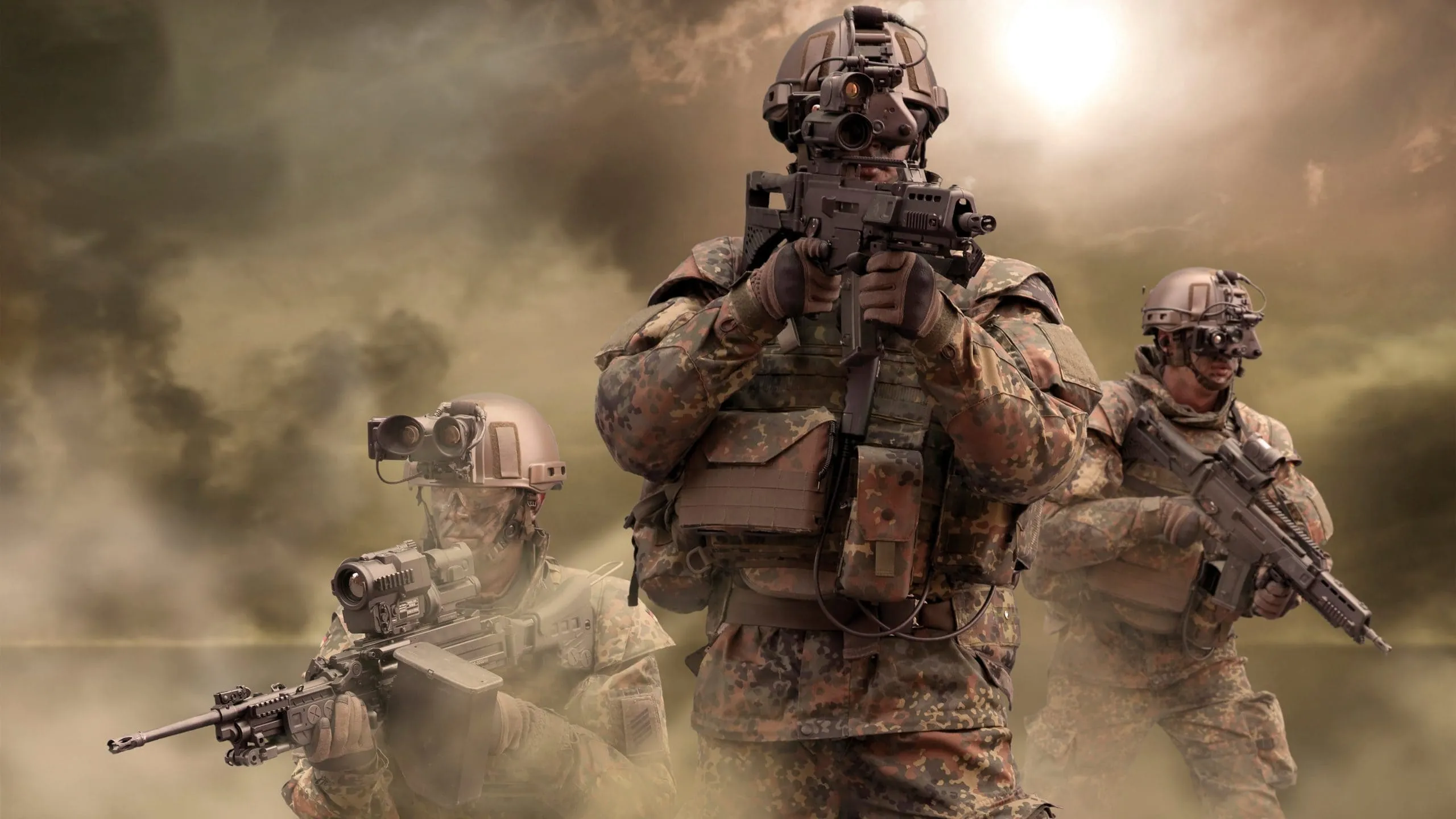
Ready and able to serve Defence & Government clients
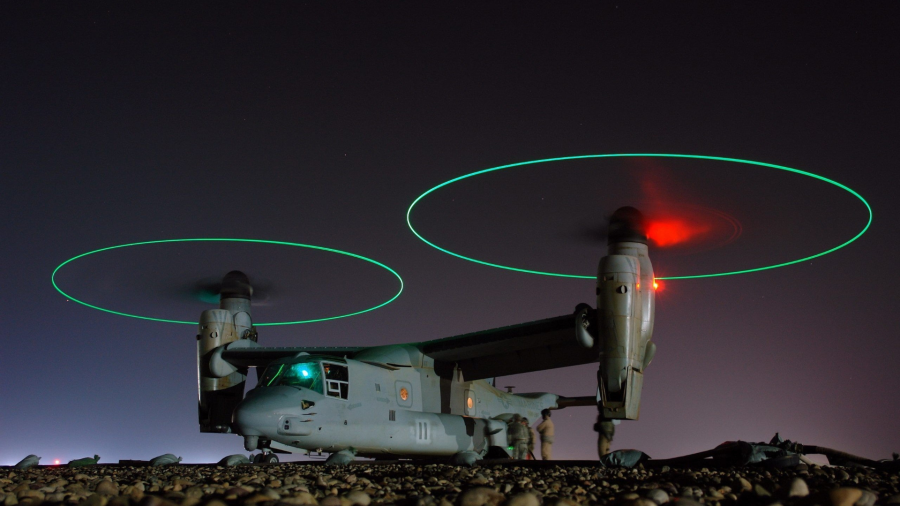
Professional working staff, great marketing & sales team with extensive experience & relevant technical people to look after the defense market 900
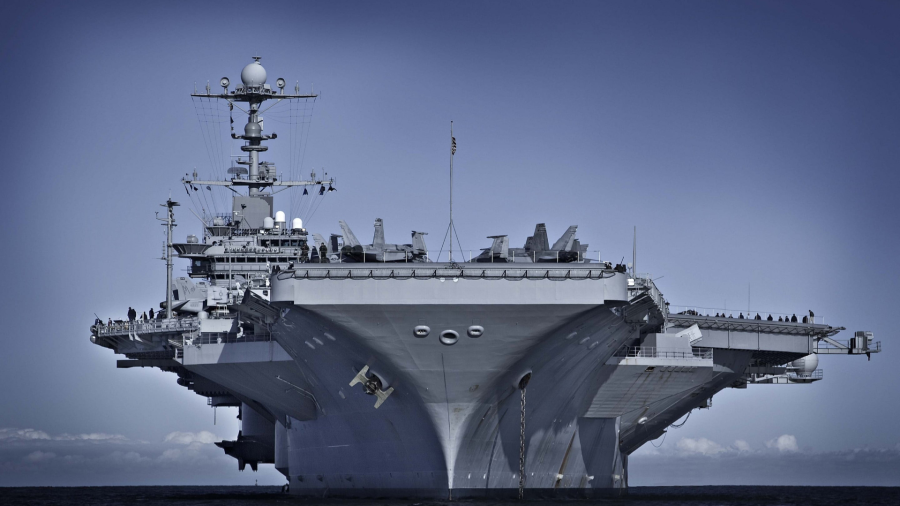
Our customer oriented approach being the key factor behind our success, we always believe that customer's satisfaction is key to our business
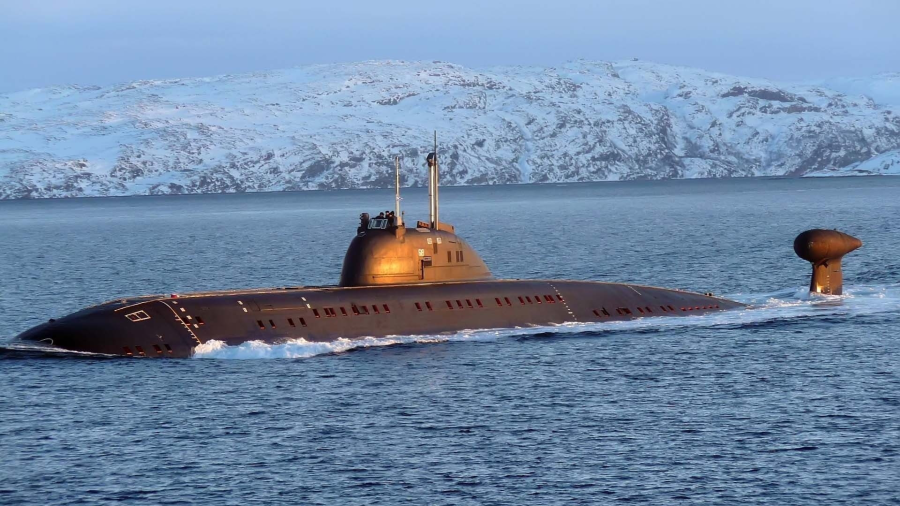
We Believe in Producing Results
We are always very much interest to work with Foreign Manufacturers and Supplier to promote their Equipment and Products in Bangladesh. Our global organization of suppliers provides us with additional strengths that enable us to meet and exceed our clients' goals and objectives. As such, BENEXIM GROUP is always looking for new, diverse, and innovative partners to enhance our project teams and strengthen our capabilities for clients' projects.
Armed Forces
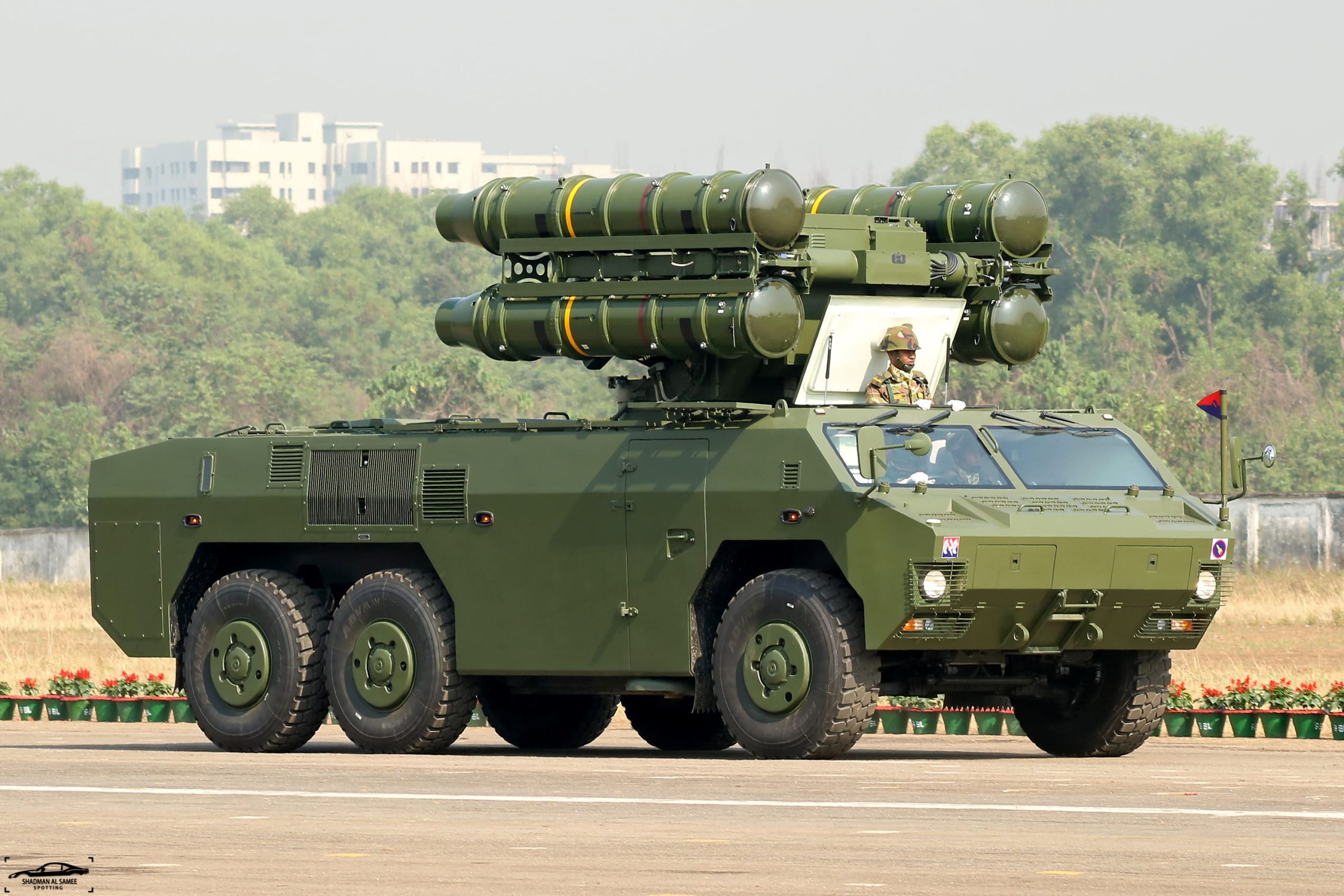
Bangladesh Army
Bangladesh Army
History of Bangladesh Army
Early History
On the 15th February 1948, the East Bengal Regiment was raised at Kurmitola, Dhaka under the prudent leadership of late Major Mohammad Abdul Gani. Until the Great Liberation War of 1971 there were 8 battalions of the East Bengal Regiment with their remarkable achievements. On night 25 March 1971 Pakistan Army brutally killed hundreds of thousands of innocent Bangali civilians and uniformed personnel. As a result, Bengali soldiers in East Pakistan (Bangladesh) revolted and initiated the liberation war of Bangladesh in March 1971. In a cabinet meeting of the provisional government of Bangladesh held on 11 July 1971, liberation war was structured through dividing the Bangladesh into 11 sectors and organizing Bangladeshi regular forces more on strategy of small group guerrilla actions. Later three regular Infantry Brigades S, K and Z Force were raised to fight conventional battles.
Post 1971: The Emergence of the Bangladesh Army
In post liberation war era, three regular Infantry Brigades S, K and Z Forces formed the nucleus of Bangladesh Army. All arms and services underwent tremendous reformation. To meet the growing need of time, new units, brigades and divisions were raised. Centers and schools of various Arms and Services were also raised with the time for strengthening the training and administrative capabilities. Every corps can proudly claim to have an institution of their own where officers and men are trained in their respective arms/services/trades.
Subsequent Reform and Development of Bangladesh Army
Bangladesh Army went through the process of expansion and modernization in all respects with the passage of time. Recently Government has adopted long terms expansion and modernization plan of the army under 'Forces Goal 2030'. In the process, two Infantry Division Headquarter and a Composite Brigade Headquarters have been raised. Moreover, massive organizational transformation has been carried out in many military outfits. Modern weapons and equipments like Main Battle Tank-2000, Radar Controlled Self Propelled Gun, FM-90 and Weapon Locating Radar etc have also been incorporated. Infrastructural development works and different welfare measures have been taken to upgrade operational efficiency in Army.
For more, visit to Bangladesh Army website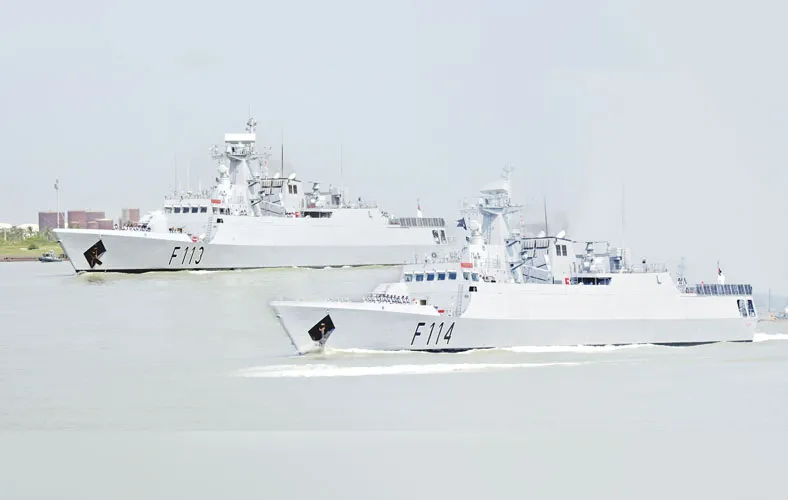
Bangladesh Navy
Bangladesh Navy
HISTORY OF BANGLADESH NAVY
Introduction
1. With the passage of time Bangladesh and her Navy have grown 48 years old. Today, Bangladesh Navy has more than 80 ships and craft in its inventory. With the pace of development it has acquired three dimensional capabilities. The build-up of Bangladesh Navy, which began after independence has come through the end of sectarian exploitation of the land and resource in time and history.
2. Naval activities in this part of the world were visible since the medieval days. In the undivided Bengal there were ship building industries in different parts of the country specially in Chittagong. Mentionably, a frigate for German Navy was built in 1818 in Chittagong.
3. Build-up of navy in the Indian subcontinent in the machine age began during British rule, however Naval build-up by the British did not touch this part of the land. In post-partition era of the Indian subcontinent i.e. during Pakistan rule, negligence to the maritime development in this part was also prominent. In their consideration western wing always got preferential treatment. A careful study of the historical legacies reveals negligence to the growth of a strong maritime power essential for seaward defence of the country.
PRE LIBERATION ERA
History of Shipbuilding in Bengal
4. Indigenous Shipbuilding has been a century old tradition in this region. It is one of the early industries developed in Bengal based on its tradition of building boats and sea going vessels. Many countries of Asia and Europe used to regularly buy ships built at Chittagong. Ibna Batuta came to Bengal in the 14th century and went back in a wooden ship built in a dock located at Sonargaon, Dhaka. Such historic ships are being preserved in European Museums. According to the European traveler Caesar Frederick, Chittagong was the centre of building ocean-going vessels during the middle of the 15th century. During the 17th century, a fleet of ships of the Sultan of Turkey was built at Chittagong. During the Mughal period, Bengal is said to have taken the lead in building ship and boats. The Mughal Naval Force had a large number of ships built at Chittagong. The British Navy used warships built at Chittagong in the famous Battle of Trafalgar in 1805. In 1818 the wooden hull frigate Deutschland was built in Chittagong and delivered to German Navy. During the first half of the 19th Century, the shipyards at Chittagong built ships up to 1000 DWT.
Muslim Rule in Bengal
5. At the onset of the Mughal expedition for the conquest of Bengal, they felt the importance of navy to conquer Bengal. Mughal Navy's concern was to prevent pirates' intrusion into the Empire's area of interest. For the protection against depredation of the pirates as well as for the conquest of South-Eastern Bengal, the Mughals established naval bases at various strategic points, such as at Bhola, Sandwip, Quadam Rasul (opposite of Naryanganj), Khizirpur and Dhaka (6 miles north east of Dhaka). A Dockyard was also established in a quarter of Dhaka, known as Tanti Bazar.
6. Mughals were weak at sea. On the other hand, the Burmese, in alliance with the superior Portuguese, became invincible in the eastern water and pillaged the districts of Bakerganj and Dhaka for a long time. Shaista Khan was tasked to bring an end to this terror. A large no of boats were built in the dockyard of Tanti Bazar and Vessels were procured from different ports. In a year, 300 vessels were prepared to meet war requirements.
7. The English East India Company resorted to hostilities against Shaista Khan to establish factories in Bengal in 1651. The British exploiting the weakness of Muslim rulers, succeeded over their contenders in establishing their might first at sea and then on land. The fall of Muslim rule in 1757 in the hands of the British marked the end of Muslim rule and pushed the Bengal into an uncertain destiny for 200 years.
British Rule
8. The British rulers perceived threat to their interest from foreign powers like the Portuguese and the French through the Arabian Sea and the Indian Ocean, and therefore, naval build-up got momentum along the south-western and western coast of Indian subcontinent. Royal Indian Navy was established on 12 October 1934 in Bombay and it shouldered local naval defence. Between 1941 and 1943, out of 18 shore bases established by the British, 7 were located in Bombay and 4 in Karachi. Britain did not feel it necessary to develop any naval infrastructure in the north-east part of Indian subcontinent.
Partition of Indian Subcontinent
9. With the prelude of partition of the Indian subcontinent, the division of military assets was concomitant. To divide naval assets 'Navy Subcommittee' was established consisting of officers from Britain, India and Pakistan.The shore establishment naturally became part of the succeeding states and the Royal Indian Navy ships were divided in the ratio 60:40 between India and Pakistan.
Days Under Pakistan
10. At the time of partition, the Pakistan navy had 92 officers. Despite all difficulties naval development started in the western part of Pakistan leaving eastern part in the waiting list. Only after the 1965 war with India, four Brooke Marine Patrol Craft were permanently stationed at Chittagong harbour as a symbolic presence of Navy. Extended Defence office was established in Khulna in 1965 with some men, and a building was commissioned as PNS TITUMIR in 1970 while NOIC Chittagong was upgraded to Commodore Commanding Chittagong. This upgradation did not follow any structural development rather it was done to delegate enhanced power to exercise at the backdrop of political upsurge. Till the end of 1971, naval development in the East Pakistan was confined either in rhetoric or in deliberations/ discussion at the policy-making level without implementation.
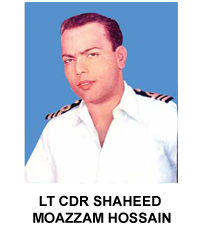
11. Demand for naval development in this part was felt since early days of Pakistan in the political arena of the then East Pakistan. Historic 21 point programme of United Front in 1954 and 6 point programme of Awami League in 1966 strongly raised the demand to shift Naval Headquarters from Karachi to East Pakistan. Bangabandhu through a declaration titled 'Our right to live' demanded setting up of a militia or para military force in East Pakistan, self sufficiency of East Pakistan in defence matters, an ordnance factory and a military academy to be set up in the east part with the Federal Naval Headquarters to be located in East Pakistan. Officers from East Pakistan were not given due recognition rather they were suppressed, discriminated and deprived of their due share Lt Cdr Shaheed Moazzam used to keep contact with Bangabandhu Sheikh Muzibur Rahman and exchanged views with him. He was said to have motivated many East Pakistan Officers in the Army and Air force against the suppression by the West Pakistani Officers. For this, he had to face Agortola conspiracy case (a sedition case) in 1969. He was brutally killed in the morning of 26 March 1971.
DURING LIBERATION WAR
Birth of Bangladesh Navy (BN)
12. The nucleus of BN was formed in June-July 1971 when a handful of courageous sailors under the leadership of Rahmatullah and A W Chowdhury (later promoted to commodore) defected from Toulon, France, where they were undergoing submarine training. The Bangladesh government in exile, on the advice of the defectees, planned to form a Naval Commando Force. About 357 freedom fighters were recruited from various training camps to join the Naval Commando. At the end of their training, C-in-C Bangladesh Force Colonel M A G Osmani in a brief deliberation to the commandos declared the group as the 'First representative of Bangladesh Navy' and he informed the commandos that 'time frame of independence would depend on their success'.
Operation Jackpot
13. The Naval Commando comprising of these young men carried out attacks on merchant ships with Limpet Mines in Chittagong and Mongla (Chalna) maritime ports. They made 8 groups which was combination of 8 sailors and 500 other members that carried out 'Operation Jackpot' successfully in different sea and river ports destroying 26 ships of the enemy and neutralised the sea routes. The Naval Commando inflicted a crippling damage on the East Pakistan ports, inland waterways and shipping. They also caused serious damage to the Pakistani war efforts by sinking ships or damaging jetties and immobilizing of ports and navigable channels. A vast amount of international shipping was kept away from East Bengal ports in spite of the high rates of compensation announced by the Government. The Naval Commando held East Pakistan in a state of siege in the highest traditions of war at sea and that too without possessing a single oceangoing vessel. In four months, the frogmen attained their aim of closing the major ports of Chalna/Mongla and Chittagong, which paradoxically was mined by the departing Pakistani authorities using mines almost on the day prior to their surrender. There is little doubt that the naval commando frogmen accelerated the liberation of Bangladesh. The highly motivated frogmen, mostly students, did not seek any kudos or political recognition or reward except the liberation of there beloved 'Sonar Bangla'. Freedom fighters from Mozambique, Libya and Somalia eagerly sought the details of these unique riverine naval commando operations of Bangladesh.
Operation of PADMA and PALASH
14. Besides commando operations, two pilot boats were converted into riverine patrol craft in September 1971 at Garden Reach Shipyard, Kolkata and named as 'PADMA' and 'PALASH'. 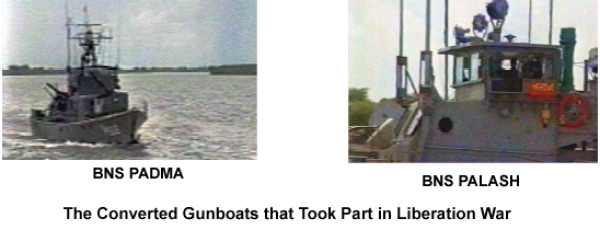 These craft were manned by 49 valiant Bengali sailors under the command of Indian Navy Officers and deployed in the river routes of Sundarbans. In November 1971, Padma and Palash carried out mining in Zulfiquar channel and destroyed four Pakistan merchant ships and one Patrol Craft. On 10 December 1971, PADMA and PALASH while proceeding to seize control of Chalna port and Naval Base Titumir, came under air attack near Khulna Shipyard and fire engulfed both the ships. Freedom fightersfrom both the ships jumped into river to save their lives. Engine Room Artificer Ruhul Amin valiantly fought to save his ship and embraced martyrdom. Govt. of the People's Republic of Bangladesh honoured him
 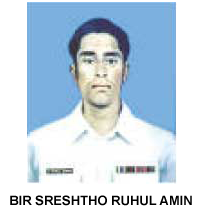 with the highest gallantry award BirSreshtho for his patriotism and supreme sacrifice for the country. Nation will always remember BirSreshthoShaheedRuhul Amin with great admiration and pride. There were many other heroes whose names have gone into oblivion as there had not been a true record of naval commando actions. However, the BN remembers with honour and pride all those great Freedom Fighters whose undaunted bravery and sacrifice paved the way for the independence of the country.
AFTER INDEPENDANCE
Laying Foundation of Navy
15. After independence, Bangladesh inherited a barren naval base PNS BAKHTIAR in Chittagong (now BNS ISSA KHAN), a deserted base PNS TITUMIR in Khulna (now BNS TITUMIR) and a transit camp in Dhaka (now the Navy House). Bangladesh did not receive any share of Pakistan Naval assets as the latter received at the time of division of Royal Indian Navy. Ships, repair facilities, logistic support organization, training facilities, all which someone can see today have come up over the last 42 years of dedicated efforts of those who served Bangladesh Navy. Soon after independence, the three services were organized under the leadership of General M A G Osmani. Lieutenant Commander NurulHuq who escaped from Pakistan Navy was summoned by the Prime Minister Bangabandhu Sheikh Mujibur Rahman on his arrival and promoted to the rank of Commander and was appointed as Chief of Bangladesh Navy.
16. Three services were separated from the unified command on 07 April 72 and were put under three service Chiefs. It was indeed a horrendous task to lay the foundation of the navy with nothing in hand except 180 dedicated men. There was no uniform, no accommodation, no ship, no arms, no training facility and no organizational set up. The functioning of navy started on an ad-hoc TO& E approved by the Ministry of Defense.
17. Naval Headquarters started functioning in a wing of Army Headquarters with a few rooms. After 7 April 1972, Naval Headquarters was shifted to a wing of old Air Headquarters. But main organizational activities were centered in the navy transit camp at Eskaton (now the Navy House). After hectic efforts, BN received a small piece of land with many jackfruit trees and a few barracks- the present BNS HAJI MOHSIN. The present location of Naval Headquarters is a part of the land; earmarked for FOC (East) HQ of Pakistan Navy was held by Army Ordnance and handed over to Bangladesh Navy after a few years.
18. The first batch of 100 recruits in 1972 was mostly from among the freedom fighters. Their training was conducted at Naval Base Chittagong on make shift basis. Two vessels of Establishment Division of Government were converted into riverine patrol craft and were commissioned on 12 June 1972 and 8 July 1972 at Narayanganj by General M A G Osmani. In their maiden voyage to major river ports, they were cheered by hundreds of people. For the first time Chief of Bangladesh Navy flew flag (a burgee flag with one anchor) on his car.
19. On 16 December 1972, just after one year of independence of Bangladesh, a Navy contingent of 100 men for the first time on the soil of sovereign Bangladesh participated in the victory day parade reviewed by President Abu SayeedChowdhury at SuhrawardyUddan. Instructor Lieutenant Commander A Rouf led the Navy contingent. The Nation and the world formally came to know about the birth of a Navy in Bangladesh.
20. The Navy Chief made his first visit to India on 16 Aug 1972 and his agenda included things ranging from Boatswain's Pipe (a pipe used by ships Quarter Master to signal various activities of the ship by whistling it) to negotiation for Seaworthy Patrol Craft etc. He met Indian Navy Chief Admiral S M Nanda and the Defense Minister Jagjivan Ram who assured him all the assistances and said, 'You take anything you need and whatever we can spare'. Subsequently Indian Navy spared one Patrol Craft (BNS PADMA). Lt Cdr E Rasool who arrived from Turkey in November 1972 brought the ship from Vizak (an Indian Port) to Bangladesh in 1973 and the Executive Officer of the ship was Lt Bandpadhay of Indian Navy. The ship was commissioned in Bangladesh Navy on 12 April 1973 enabling the toddler Navy to go to Sea. After commissioning, the ship was opened to visitors marking exodus of Jubilant Bangladesh onboard. On 26 March 1973, Lt CdrEhteshamRasool brought two gun boats to Dhaka and Steamed past Sadarghat BIWTA terminal in a Line Formation with BNS PADMA leading.
21. After the liberation war, government of Bangladesh and the then naval leadership felt the necessity of building astrong navy. By this time, in 1973, about 2500 sailors including 30 officers and midshipmen being released from captivity in Pakistan started joining the hands of the new borne navy. On 7 Nov 1973, Captain NurulHuq handed over the duties of the Chief of Naval Staff to Captain M H Khan on his return from Pakistan. In 1974, Naval bases BNS ISSA KHAN, BNS HAJI MOHSIN and BNS TITUMIR were commissioned by the Prime Minister Bangabandhu Sheikh MujiburRahman.
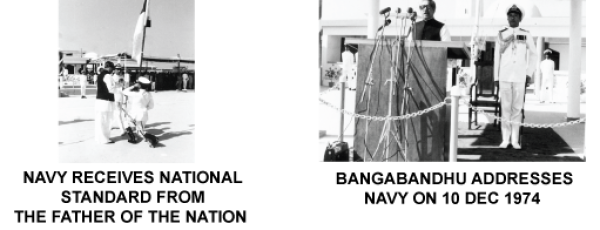 In a ceremony at BNS ISSA KHAN on 10 Dec 1974, Bangabandhu also handed over the Naval Standard to Bangladesh Navy. In 1976, Bangladesh Naval Academy (BNA), the premier institution of Bangladesh Navy for education and basic training of the young cadets, was established temporarily in the premises of Bangladesh Marine Academy at Juldia in Chittagong. By that time, BNS S R AMIN was also commissioned as the first flagship of BN Flotilla. In the wake of this wave, four Patrol Craft were collected from friendly countries and were commissioned in BN. In addition, five riverine Patrol Craft were built at Narayangonj Shipyard with indigenous effort.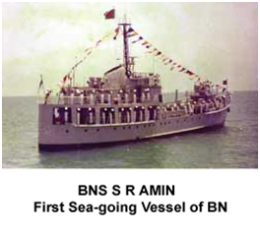
Developing Sea Leg
22. None of the above ships were truly sea going; thus, BN was in urgent need of seaworthy platforms in its inventory. The aspiration was fulfilled by inducting BNS UMAR FAROOQ (EX HMS Llandaff) in 1976 from Royal Navy. Subsequently two more Ex RN Frigates were inducted in BN fleet as BNS ALI HAIDER (Ex HMS Jaguwr) and ABU BAKR (Ex HMS Lynx) in 1978 and 1982 respectively.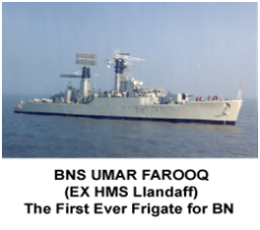 Induction of these Ex RN Frigates was a milestone for BN as it gave BN an opportunity to train her officers and men in all aspects of naval profession. It also provided blue water capability to BN.
 Development At Cruising Speed
23. Over the years, BN has undergone changes, not only in size and shape but also in its role, mission and vision. By now BN has around 70 ships of various types and capabilities which include Guided Missile Frigate, Corvette, FAC (Missile), FAC (Gun), LPCs, PCs, OPVs, Mine sweepers etc. Bangladesh Navy entered into missile era by inducting a good number of two and four launcher Missile Boats from China in 1980s. BN missile capability was further augmented when she procured a Guided Missile Frigate (BNS OSMAN) from China in 1988. Induction of a good no of Mine sweepers provided BN mine Sweeping capability which is of crucial importance during war and short of war situation.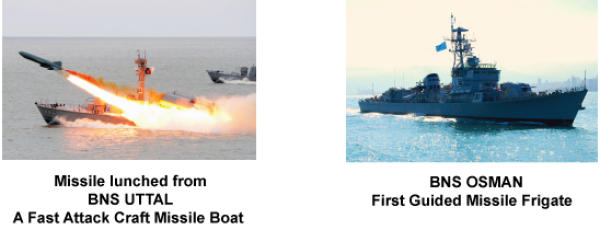 For training of the officers and men, BN has developed number of prestigious training institutions like Bangladesh Naval Academy, Engineering and Electrical School at BNS SHAHEED MOAZZAM, School of Logistics and Management, School of Maritime Warfare and Tactics and number of other institutions which are capable of providing world class training to our officers and sailors. Presently BN is also providing training to the officers and sailors of friendly countries.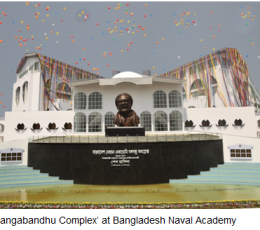
Leapfrogging
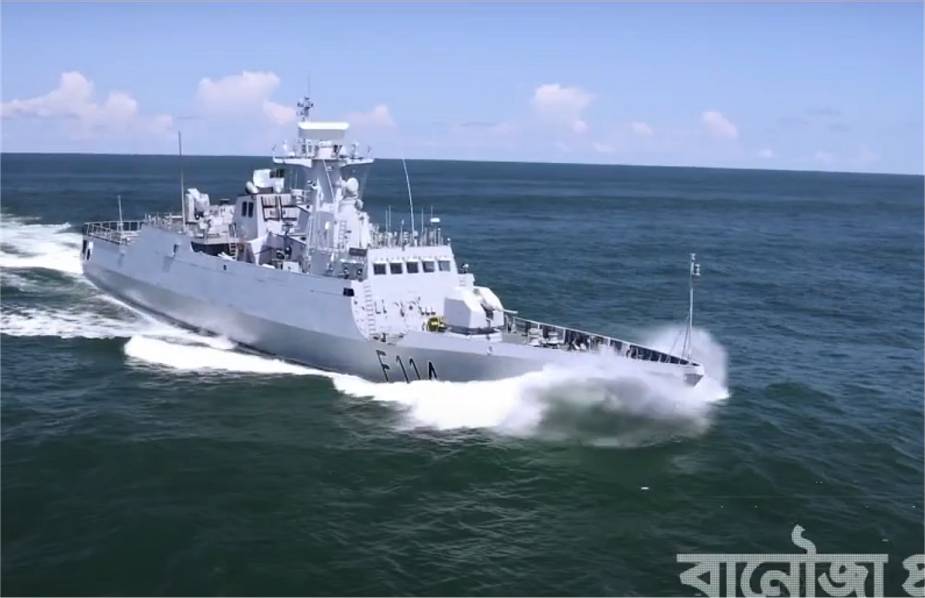
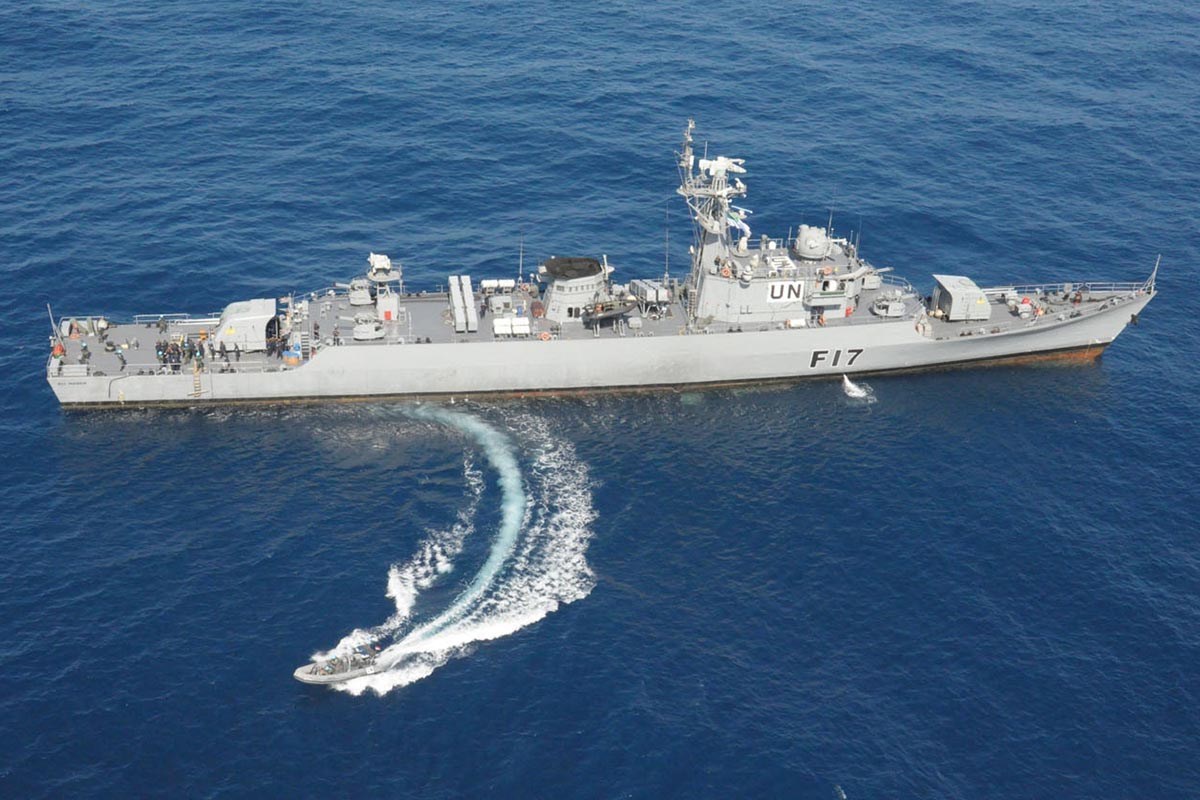
24. In the year 2000, BN added a state of the art frigate BNS BANGABANDHU in her inventory. 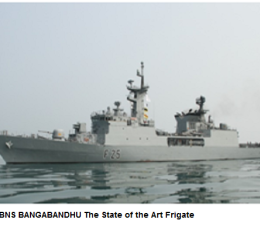 Construction, operations and maintenance of this hi-tech man-of-war has given BN tremendous confidence to keep pace with modern day technology. BN has acquired 2 newly constructed LPC's from China fitted with all modern weapons, sensors and equipment in 2012. BN also acquired 2newly constructed Corvettes from China fitted with state-of-the-art weapon & sensors in 2015.
 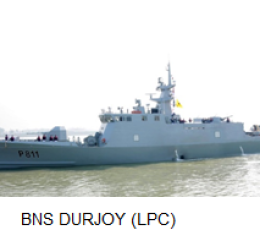 More 2 corvettes are likely to join BN fleet in 2019. Two refurbished frigates fitted with latest weapons and sensors including combat system have already joined BN fleet replacing two old Frigates BNS ALI HAIDER and ABU BAKR. BN has completed construction of five Patrol Craft (PCs) successfully at Khulna Shipyard (KSY) in 2013. The construction of PCs in KSY gave BN a tremendous confidence in constructing war ships indigenously.
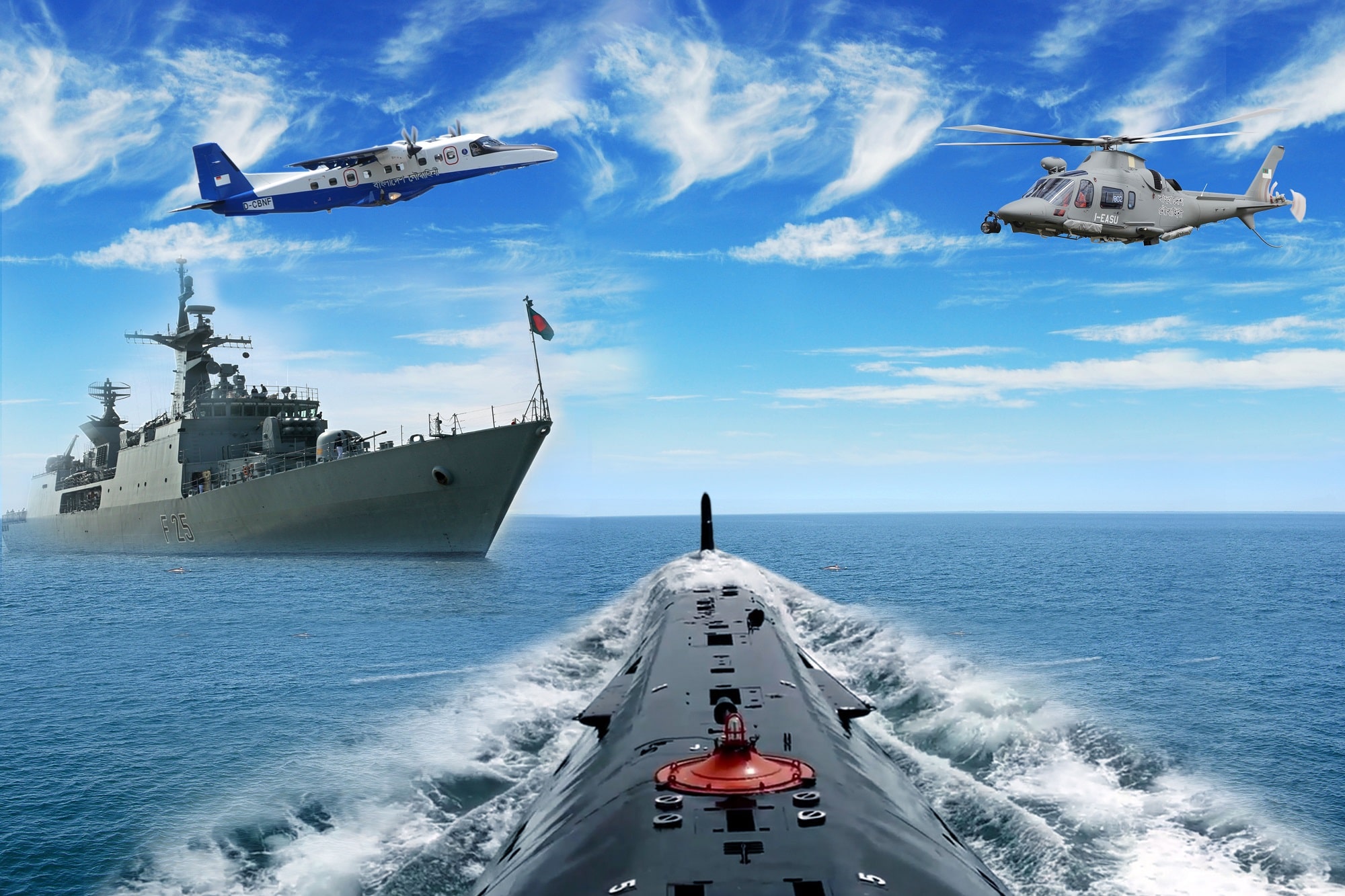
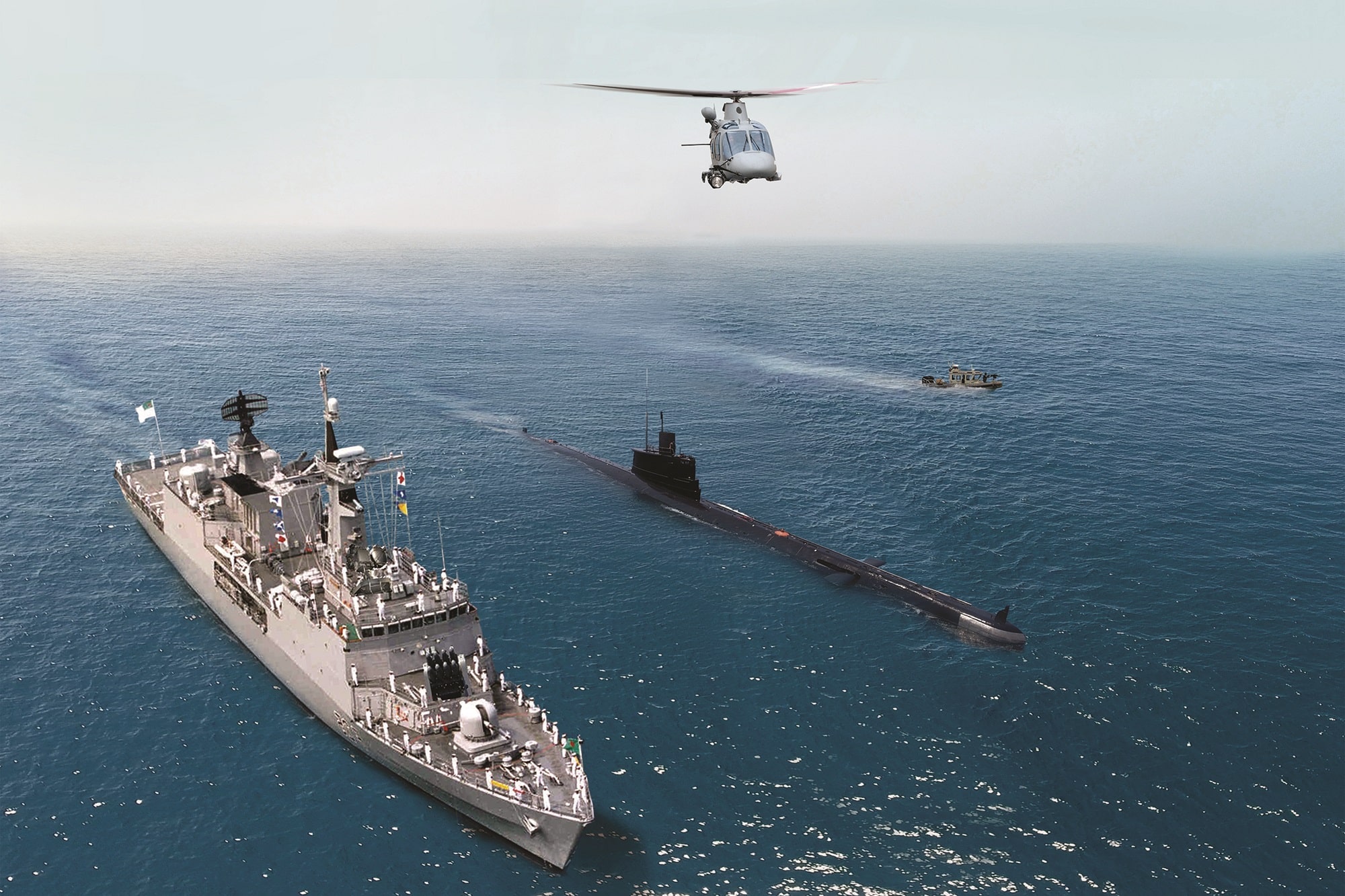
 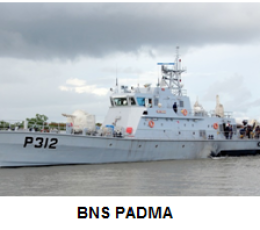 25. The above mentioned platforms with modern outfits have enhanced BN war fighting capabilities to a greater extent. BN capability has been further augmented through induction of two Augasta Westland Helicopters from Italy and two Dornier class Maritime Patrol Aircraft (MPA) from Germany. BN's long awaited aspiration of opening a new dimension- 'The Naval Aviation' wing has thus been fulfilled by inducting these much needed air assets.
 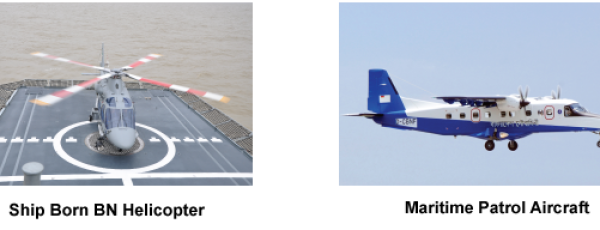 This has enhanced BN capability in Maritime surveillance and patrol by many folds. Induction of two off the shelf submarines in 2017has transformed Bangladesh Navy into a true three dimensional force making it invincible at sea, both in war and peace.
 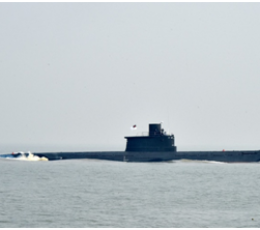 26. Inspired by the epic success of the valiant naval commandos in 1971, BN has been always striving to acquire a dedicated special force. Finally BN could raise the Special Warfare Diving and Salvage. Within a very short time this force has shown tremendous progress, capable of conducting special mission at sea, air and land under hostile and adverse condition.
27. Bangladesh Navy has witnessed phenomenal growth in last three decades. When it first set the sail it had only two gunboats. Today BN stands all with more than 80 ships and craft. In the recent years it has also acquired three vital dimensions namely SWADS, Naval Aviation and Submarine Arm. Today it has not only pledges to safeguard the national territorial integrity, but it has also expanded its commitment to peace beyond national frontier. For all these, BN pays deep homage to all its predecessors whose relentless hard work and passion could make this happen.
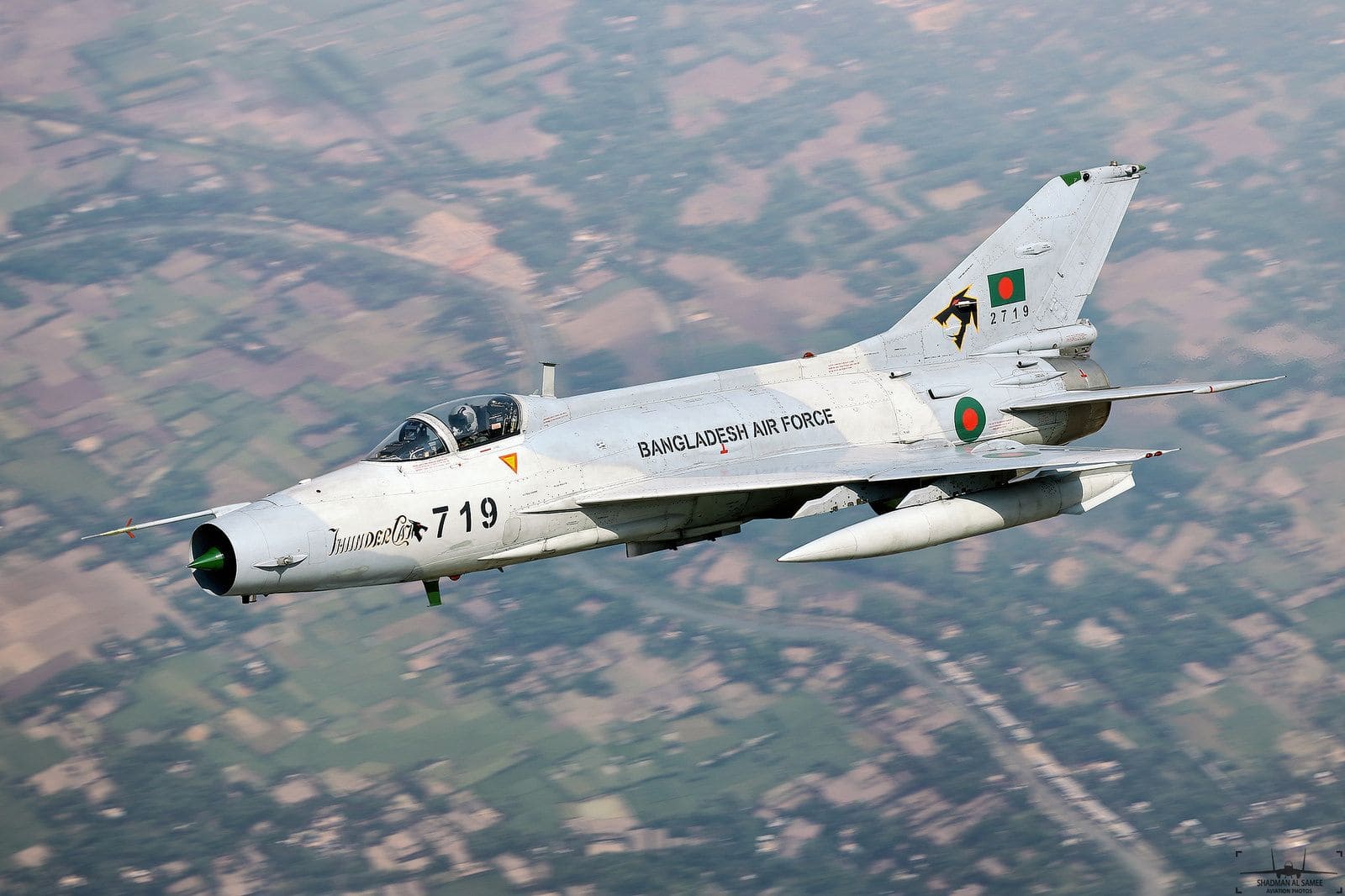
Bangladesh Air Force
Bangladesh Air Force
History of BAF
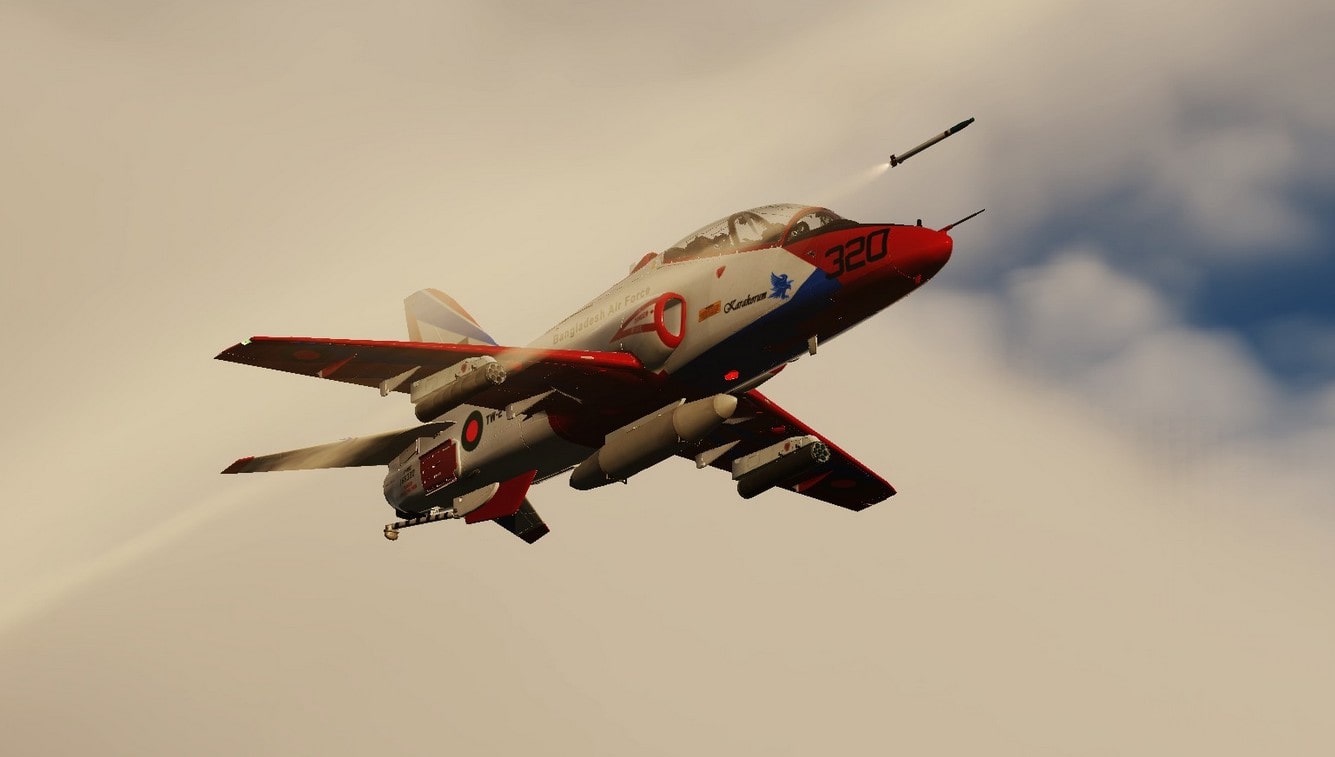
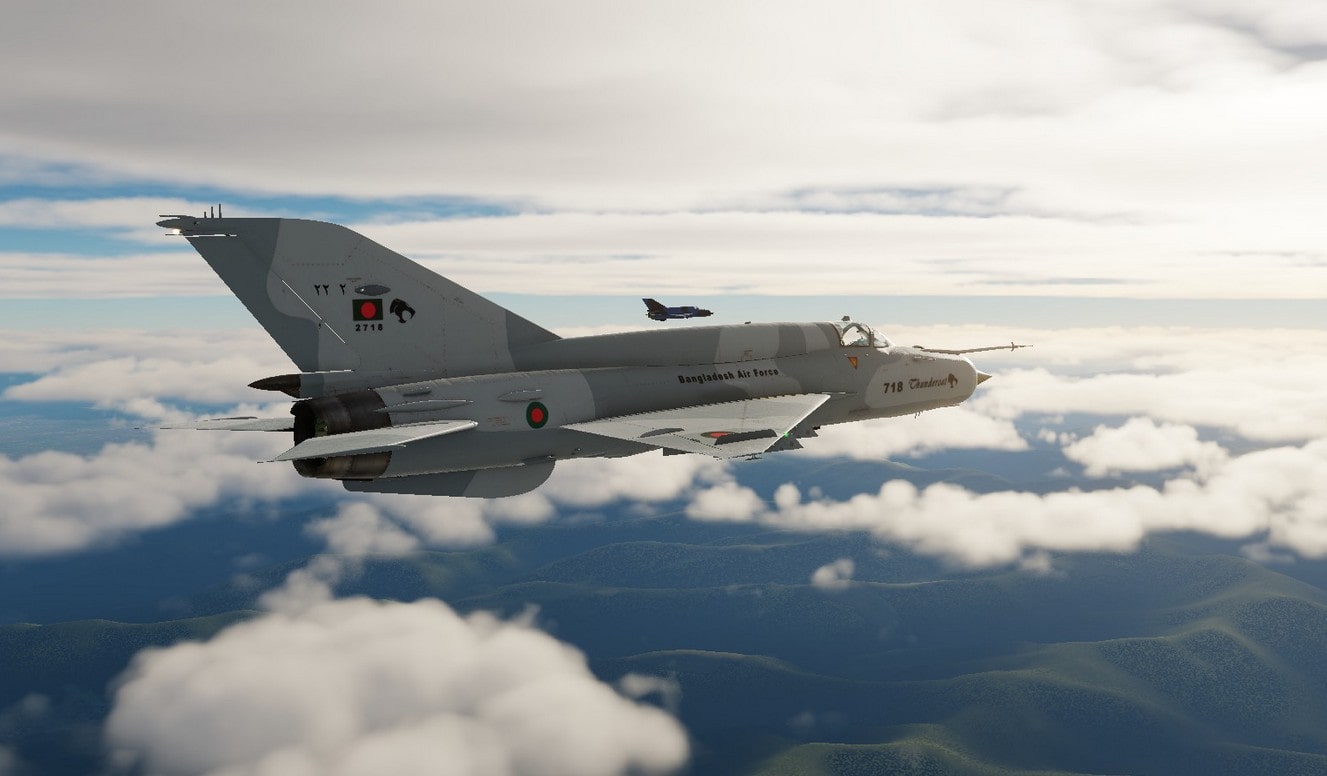
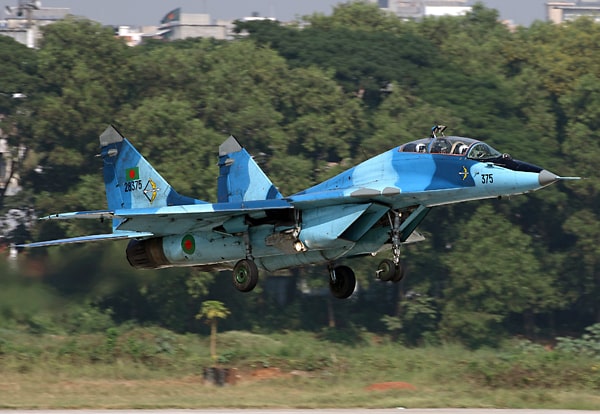
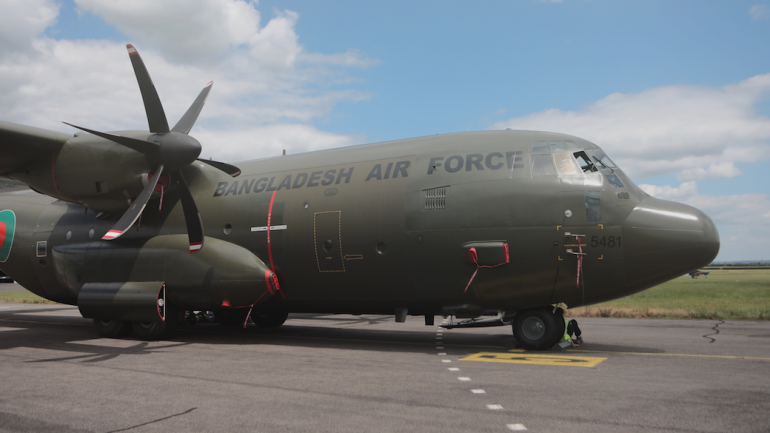
The origin of Bangladesh Air Force (BAF) dates back to 1920 in British India when the Indian politicians demanded for inclusion of local people in the Royal Air Force because some members of Indian Royal Flying Core had earned name and fame in the 1st World War. The demand eventually got its shape in 1932 when Indian Air Force came into being on 08 October of that year. But until 1939 the Royal Air force hardly made any progress. Even during the 2nd World War period there was hardly any scope for training in the Bangladesh portion of the then sub-continent. However, airports were constructed in Comilla, Feni, Patenga, Cox's Bazar and in few other places hastily. The only recruiting centre for this area was in Narayangonj.
During 1951-52 the first fighter squadron of Pakistan was organized anew. It was commanded by Abdur Rahim Khan who became the Chief of Air Staff of Pakistan Air Force during 1969-71. Bengali PAF/AF officer Flight Lieutenant Towab was the Flight Commander of that squadron who later became Chief of Air Staff of independent Bangladesh in 1975. Of the Bengali pilots Flying Officer Alam died in plane crash in 1956. He Left behind his contemporary Flying Officer A K Khandker who later played a glorious role in our historic Liberation War. He was not only the Deputy Commander of the Bangladesh side in the Liberation War; he also represented Bangladesh side during the surrender of the occupation Force at Race Course Maidan (Now Suhrawardy Uddan) on 16 December 1971. It is worth mentioning that A K Khandker became the first Chief of Air Staff of Bangladesh Air Force (BAF).
From 1947 to 1971 the Bengali nation had to struggle through the lives of myriad of people. The Bengali officers of the then Pakistan Air Force (PAF) had their name and sacrifice as well. Even during the Indo-Pak War in 1965, there were many glories of victory achieved by Shaheed (martyr) Squadron Leader Alam, Wing Commander Towab, Flight Lieutenant Saiful Azam and many others of them Flight lieutenant ( later on Group Captain) Saiful Azam became an ace fighter pilot. He showed success in three different countries in dog fight during real war. He became the only fighter pilot in the world who was awarded with state title by three different countries viz, Pakistan (Sitara-e-Jurat), Jordan (Hossam-e-Istiqlal) and Iraq (North S Suja). He proved his worthwhileness to such an extent that he was allowed to command a fighter squadron of Pakistan Air Force as a Flight Lieutenant which was supposed to be commanded by a Wing Commander. These officers had some praiseworthy airmen. One of them was Shaheed (martyr) Sergeant Zahurul Haque. He was a Ground Combat Instructor (GCI), a trade well known for conducting drill. Even such an airman had concern for his motherland. He was an accused in historic 'Agartala Conspiracy Case', obviously a historic plot to liberate the country. He succumbed to his injuries following constant torture on 15 February 1969. Bangladesh Air Force has recognized the contribution of this great airman since an important base of BAF (BAF Base Zahurul Haque) has been named in his name. Even the recognition has crossed the purview of BAF since a dormitory of Dhaka University has also been named after him.
The glorious Liberation War took place in 1971. From the motivated drive of patristic zeal, a good number of Bengali officers and airmen including technicians renounced their previous services and joined the Liberation War to expedite victory. It was largely possible due to the sincerity of those members who established the Air Wing of the Liberation War on 28 September 1971 at Dimapur of Nagaland, India. The air wing possessed a scanty inventory of one DC-3 airplane, one Otter airplane and one Alluette helicopter. The patriotic pilots and technicians of the nascent Bangladesh Air Force formed a flying unit named, 'Kilo Flight' , under the able guidance of the then Squadron Leader Sultan Mahmud who later became Air Vice Marshal and Chief of Air Staff. However, the pilots of the historic 'Kilo Flight' made successful sorties to launch successful air attacks on a number of targets in Chittagong and Narayangonj. It was during the Liberation War that another great son of the soil, Flight Lieutenant Matiur Rahman sacrificed his life for his motherland. His sacrifice was not an ordinary one since it is difficult for a family man to endanger his life. It was not a fluke either. He not only sacrificed his life, but the happiness of his family life as well. While fleeing Pakistan with a T-33 aircraft to join the glorious Liberation War, he died at Thatta, a few kilometers away from the Indian border where his aircraft crashed. The heroic attempt has been rewarded by both BAF and the nation as well. The most important officers' training base of BAF in Jessore has been named after him (BAF Base Matiur Rahman) and the nation has awarded him the highest state title, 'Beershrestha' Besides these great personalities, out of many, two more officers of BAF are worth mentioning, the two sector commanders. They are the then Squadron Leader Khademul Bashar who later became Air Vice Marshal and Chief of Air Staff and another officer is the then Squadron Leader Hamidullah who later became Wing Commander.
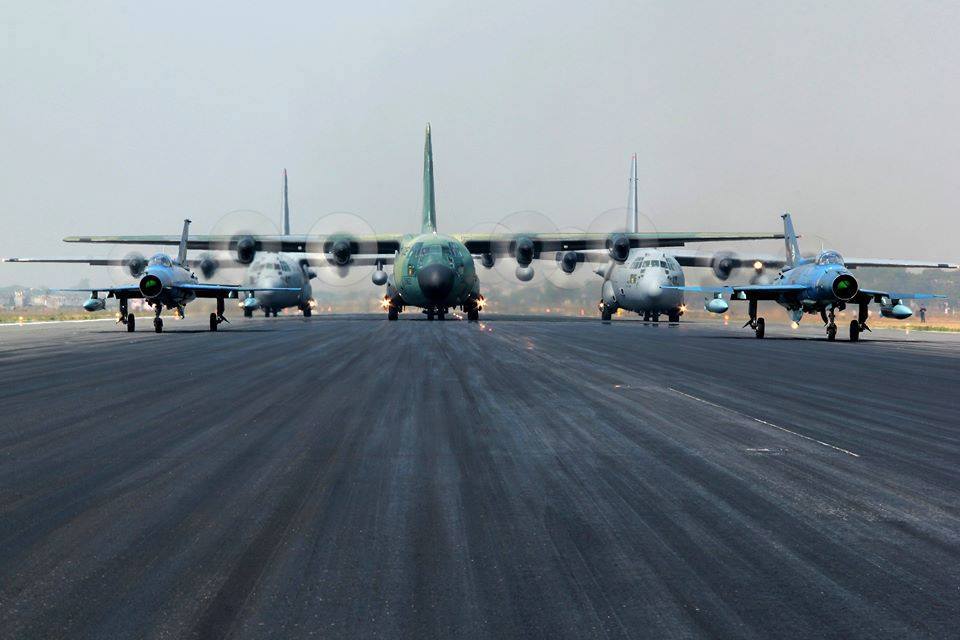
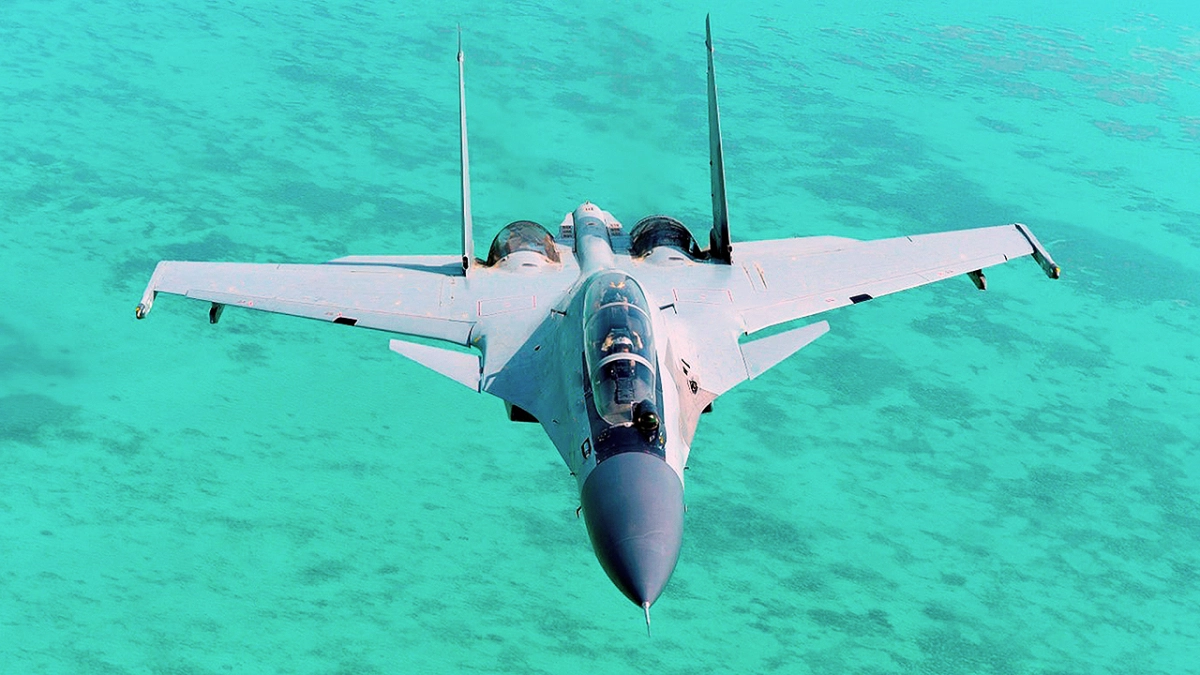
Since independence, BAF underwent massive modification and expansion. Concentration has been given on both air power and air defense. Bases, Units and outposts have been established at different suitable places. As a mark of improvement, many foreign trainees both at officers and airmen levels underwent training in BAF. As a mark of recognition, Bangladesh Air Force (BAF) received 'National Colours' in 1980 by the then honorable President of the People's Republic of Bangladesh. Later Bangladesh Air Force Academy (BAFA) received 'National colours' in 2003 by the then honorable Prime Minister of the People's Republic of Bangladesh. Even the Recruits' Training School (RTS) has been awarded with 'BAF Colours' by an ex Chief of Air Staff in 2004.
In aid to civil power, BAF always responded in the best possible way. Bangladesh Air Force performed tremendously during deluge like flood in 1988 and after a devastating cyclonic storm in Chittagong in 1991. It performed election duties quite successfully in 2001 Parliamentary Election. The organization also responded well in international requirements like after earthquake in Gujrat, India in 2001; after Tsunami in Sri Lanka and the Maldives in 2004 and after earthquake in Mujaffarabad, Pakistan in 2005. It has responded to the call of United Nations by serving under its umbrella in 17 different war-torn countries of the world.
For more, visit to Bangladesh Air Force website
Message From Managing Director
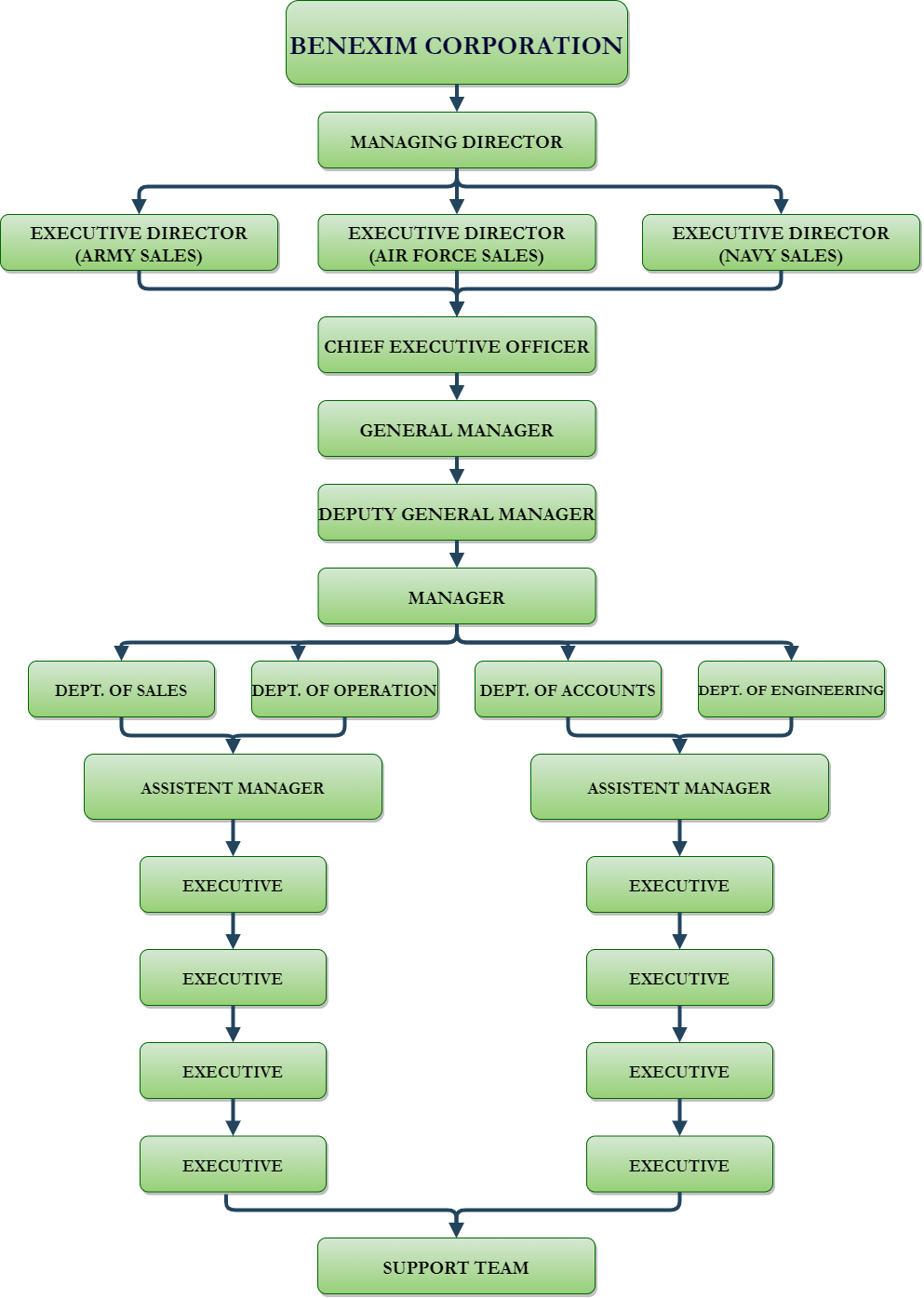
Since the inception of our group business in 1989 as the professional trading company in Bangladesh, we have specialized in sourcing and supplying defense, law enforcement, home security . Over the past two decades, we have helped vitalize Bangladesh trading and manufacturing industries . Today, we stand matchless in the domestic sector.
In 2014, we celebrated the 25th anniversary of our group foundation and mark the first year of BenExim entity after getting the enlistment as approved and authorized agent of Bangladesh Defense directorate includes Army, Navy And Air Force HQs , Bangladesh Coast Guard, Bangladesh Police, Bangladesh Boarder Guard, Bangladesh Civil Defense. At this juncture, we have chosen a significant transformation by getting into this defense and law enforcement range of products. Starting with an additional identity of BENEXIM GROUP within the group. This added makeover calls not only for group’s – wide restructuring but also for sourcing strategically the quality range of products from reputed certified manufactures and suppliers globally.
Who We Are
We would like to take the opportunity to introduce ourselves as an approved supplier of the Director General Defense Purchase (DGDP).
Operating under the Ministry of Defence, we leverage international partnerships to source specialized systems for the Army, Navy, and Air Force.
More About Us
What We Do
What We Do

Whom We Work With
Whom We Work With

MILITARY FORCES:
Bangladesh Army (Army Headquarters)Bangladesh Navy (Naval Headquarters)
Bangladesh Air Force (Air Headquarters)
MINISTRY OF DEFENCE (MOD):
Directorate General of Defence Purchase (DGDP)Armed Forces Division (AFD)
Bangladesh Ordnance Factories (BOF)
AUXILIARY FORCES UNDER HOME MINISTRY BANGLADESH:
Border Guard ForcesCoast Guard Forces
Rapid Action Battalion (RAB)
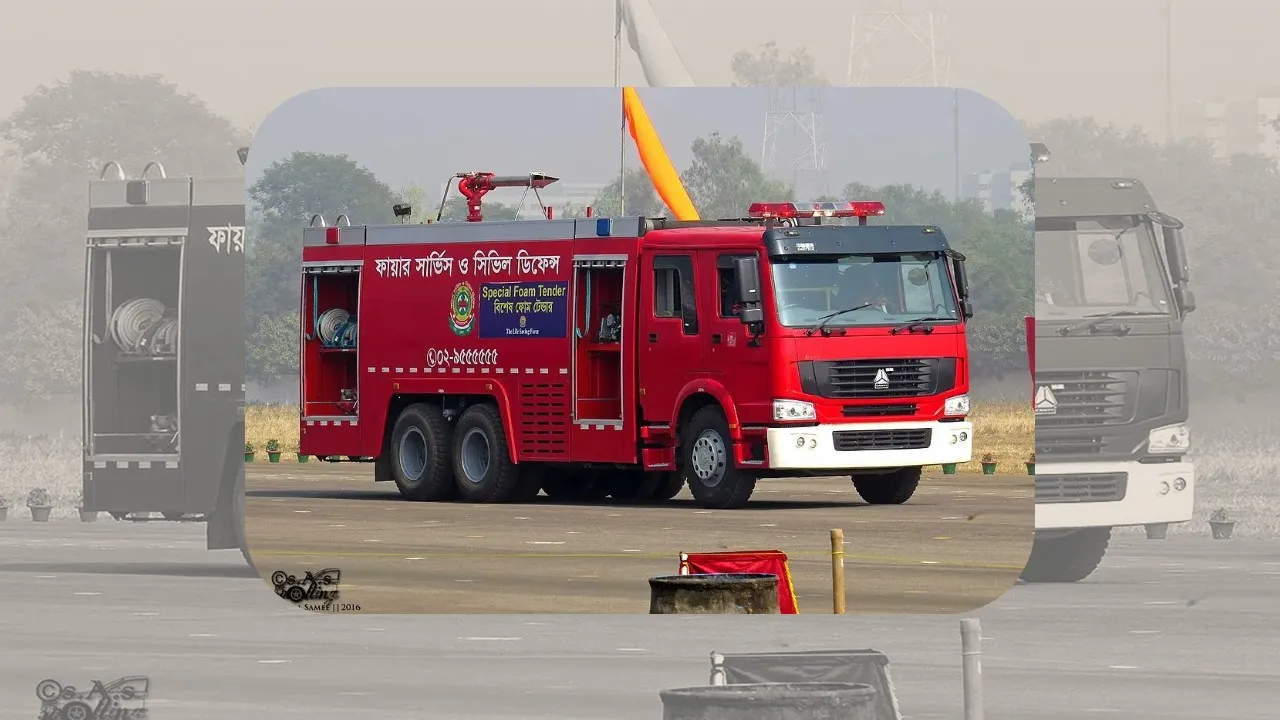
Fire Service & Civil Defence
LAW ENFORCEMENT AUTHORITIES:
Bangladesh PoliceSpecial Branch (SB)
Criminal Investigation Department (CID)
PORT AUTHORITIES:
Chittagong port AuthorityPayra Port Authority
Mongla Port Authority
OTHERS:
Central Ordnance Depot (COD)Naval Stores of Sub Depot (NSSD)
Civil Aviation Authority Bangladesh (CAAB)
Bangladesh Machine Tools Factories (BMTF)
Bangladesh Diesel Plant (BDP)
Municipalities
City Corporations
What We Believe
What We Believe

Mission/Vision
Mission/Vision

Where We Operate
Where We Operate

Dhaka, Bangladesh
Singapore
What We Supply
What We Supply
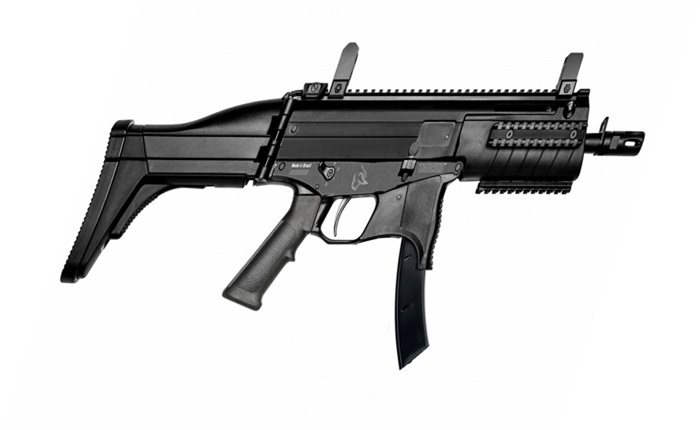
- All types of ammunitions for both small arms and high caliber weapon systems
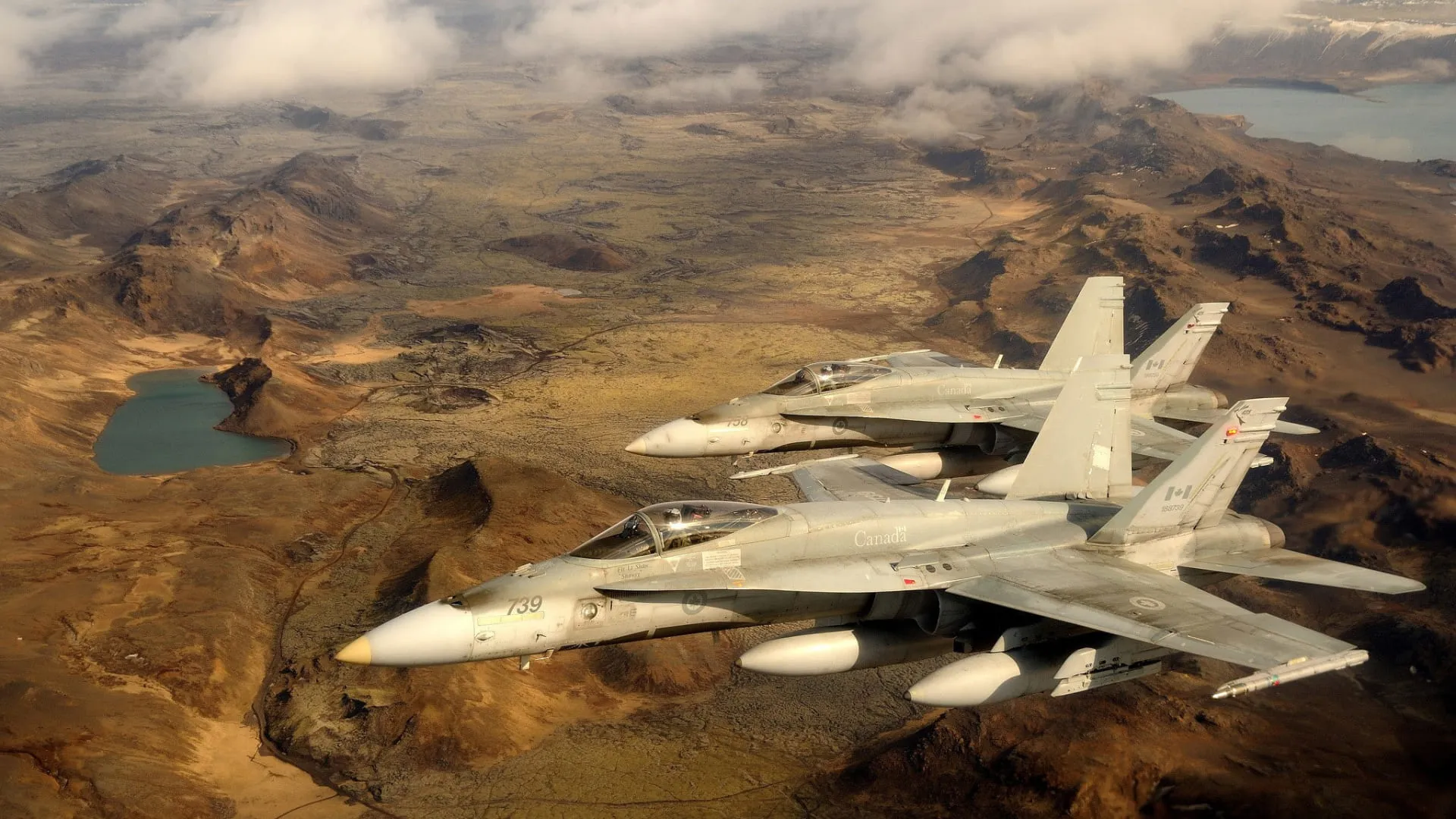
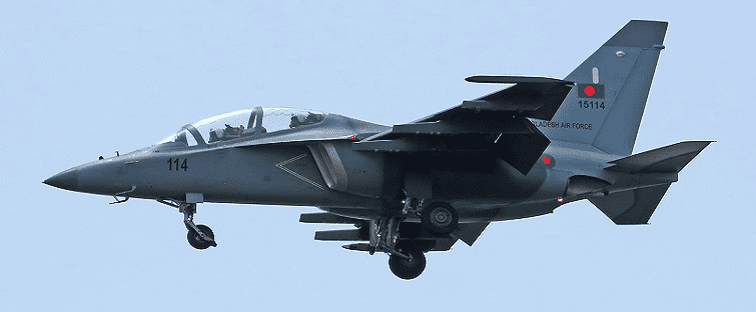
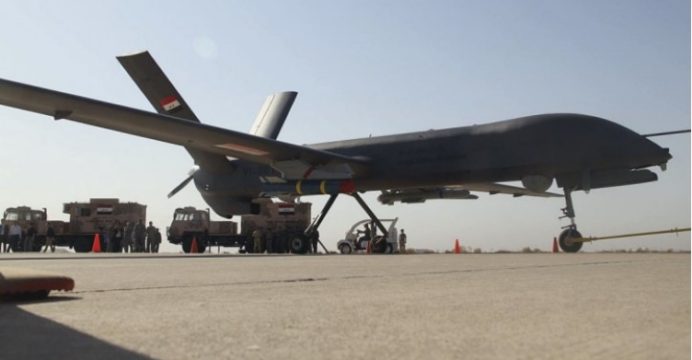
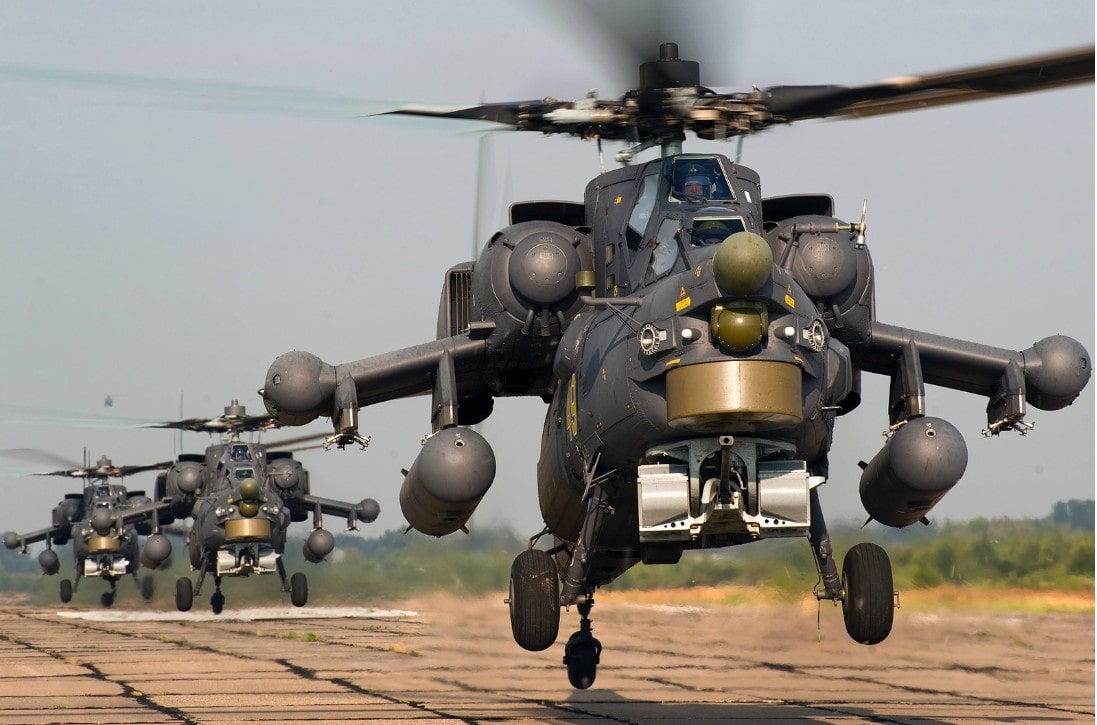
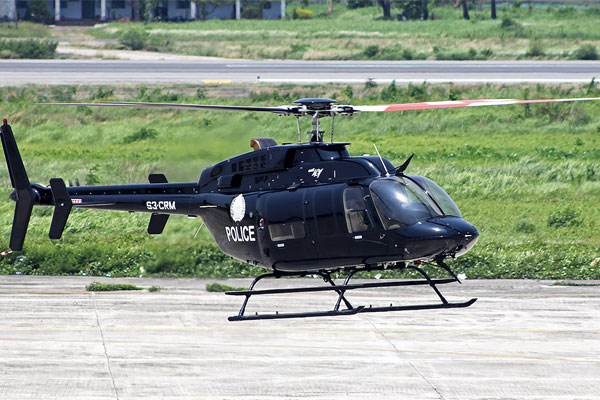
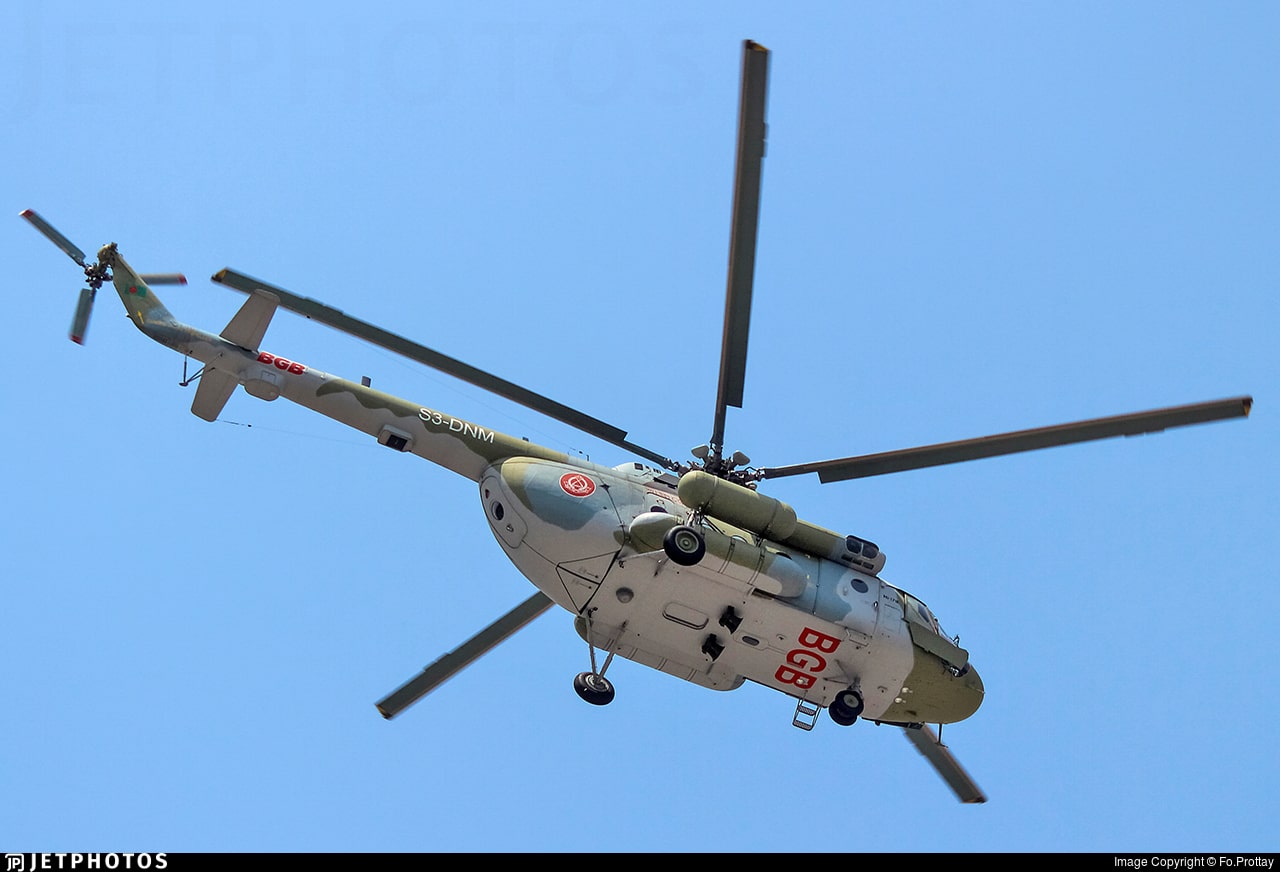
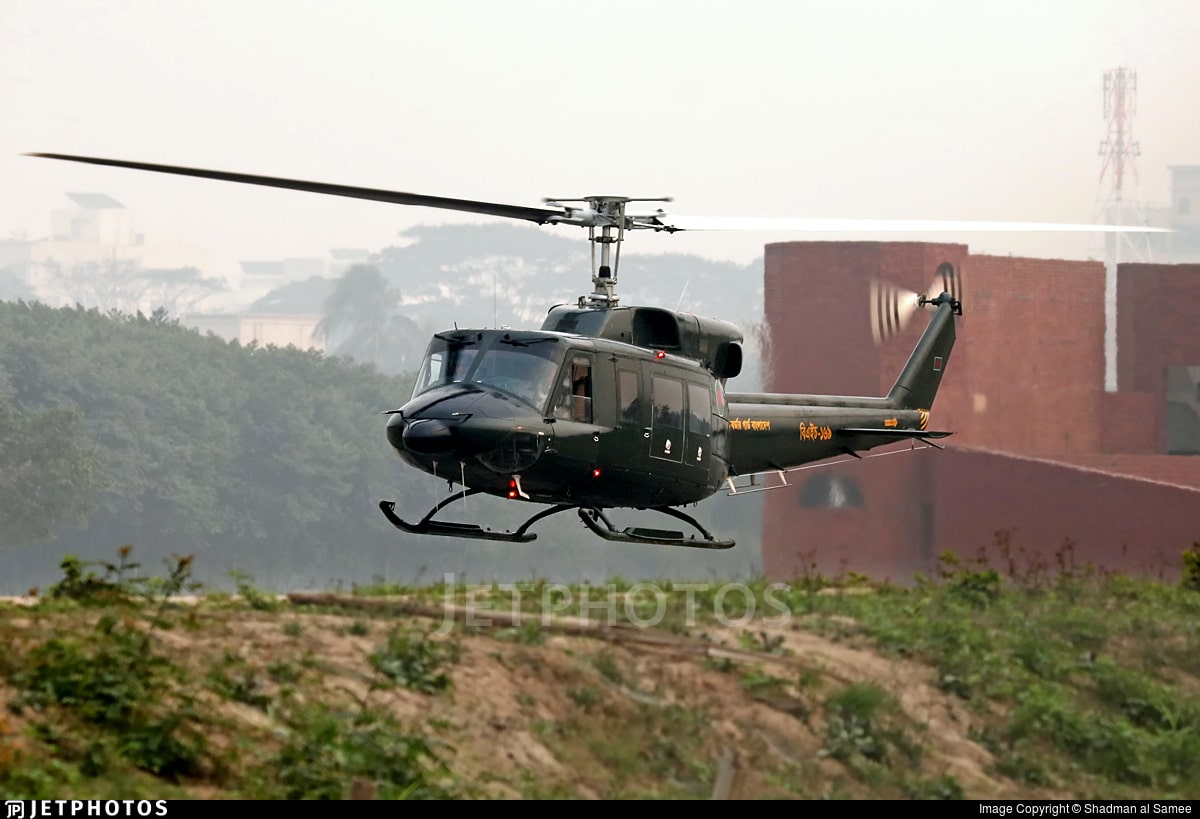
- Accessories, spare parts, overhaul, repairing of Aircraft & Helicopter
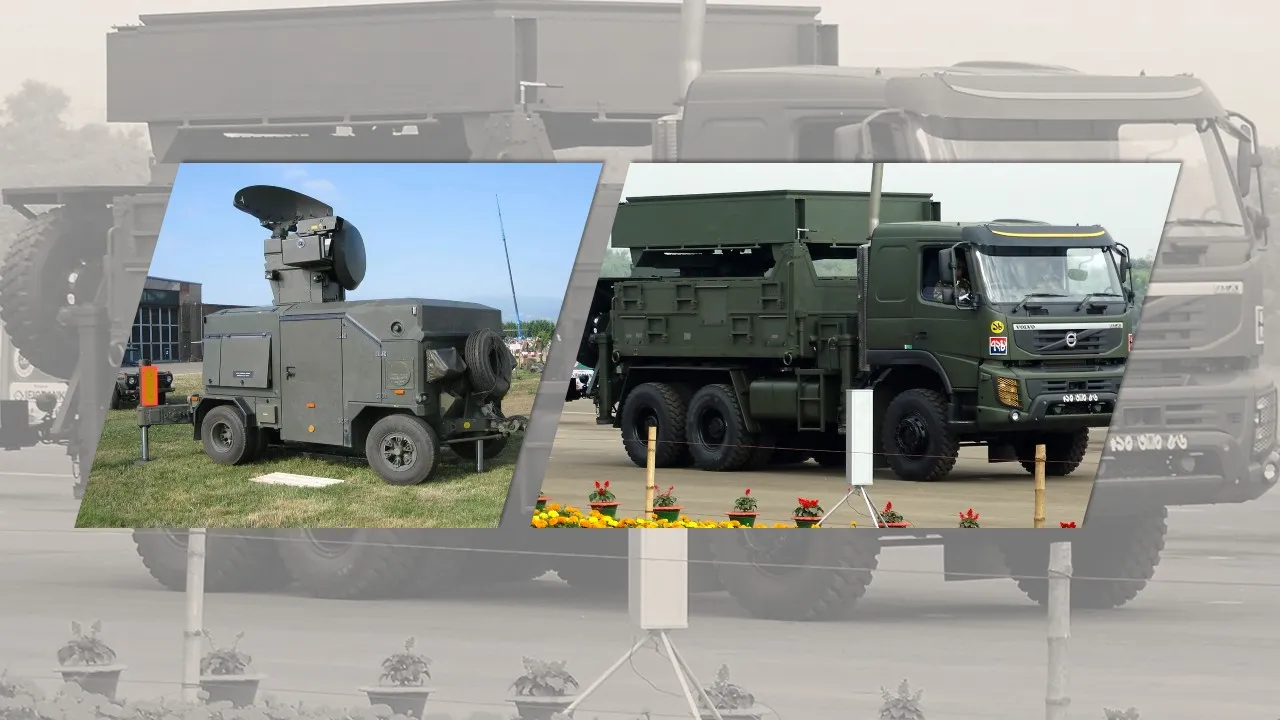
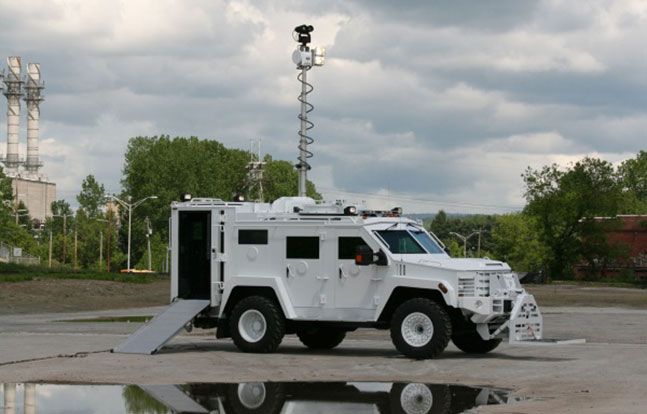
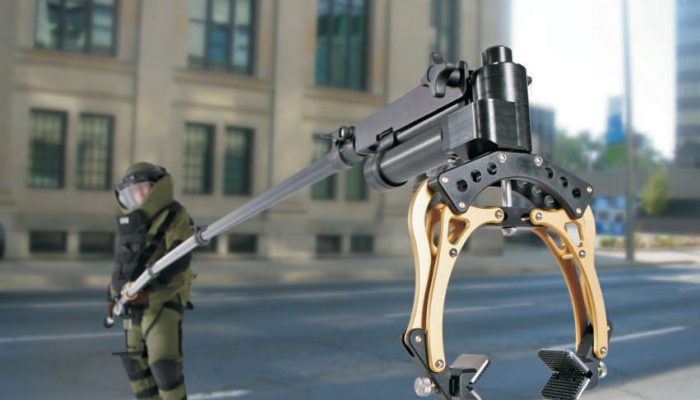
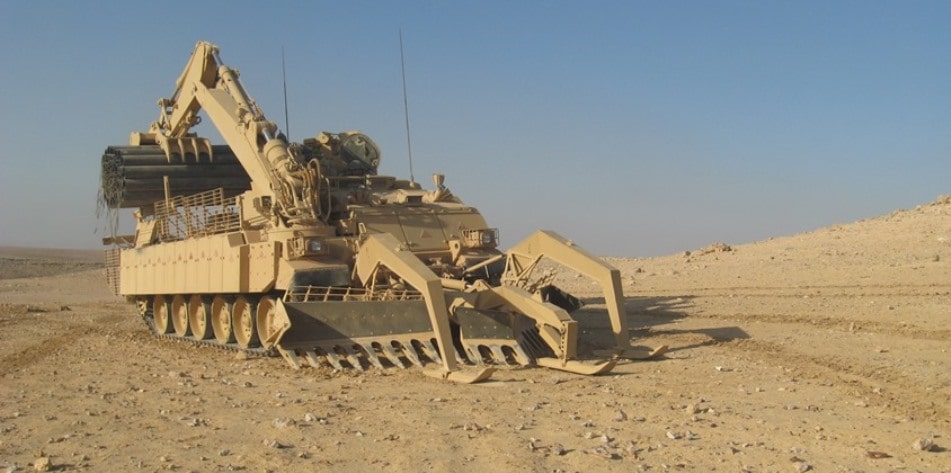
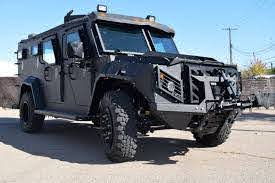
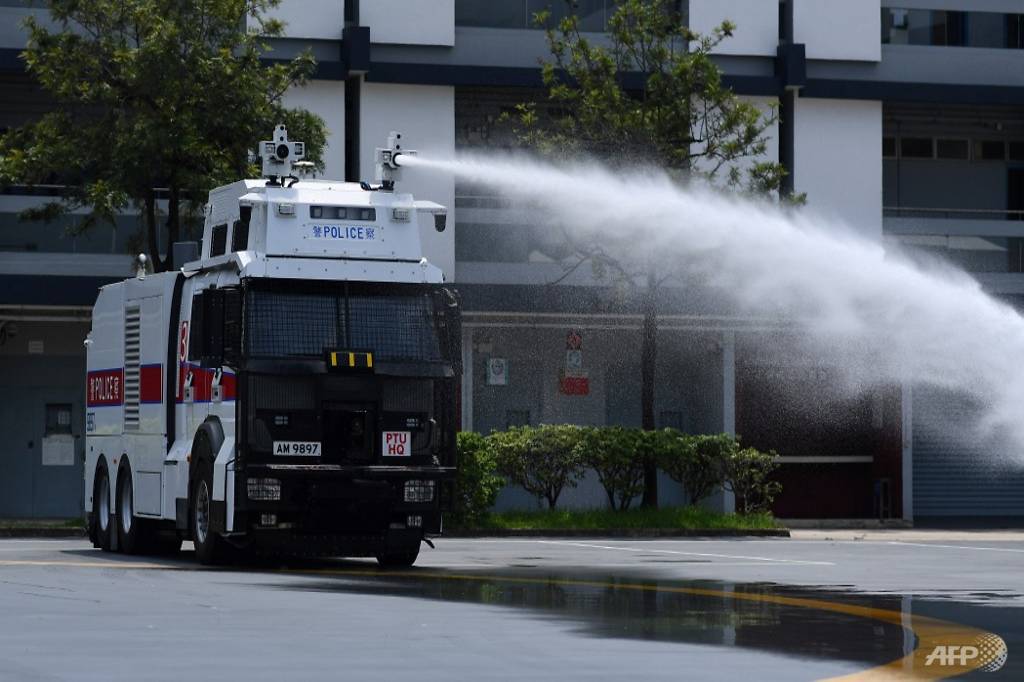
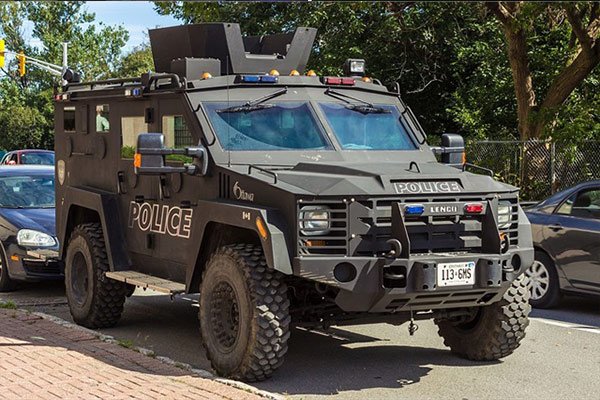
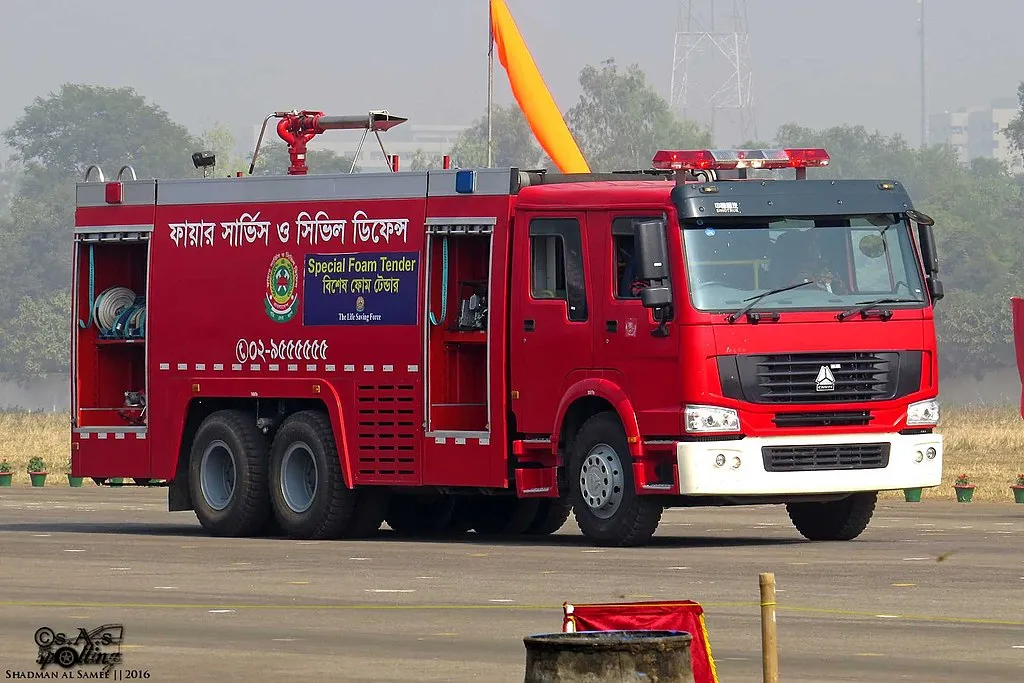
- Security / counter terrorism item, EOD, IEDD, CIED Eqpt, Counter Surveillance Police, Customs and Military Equipment Construction Vehicles & Equipments
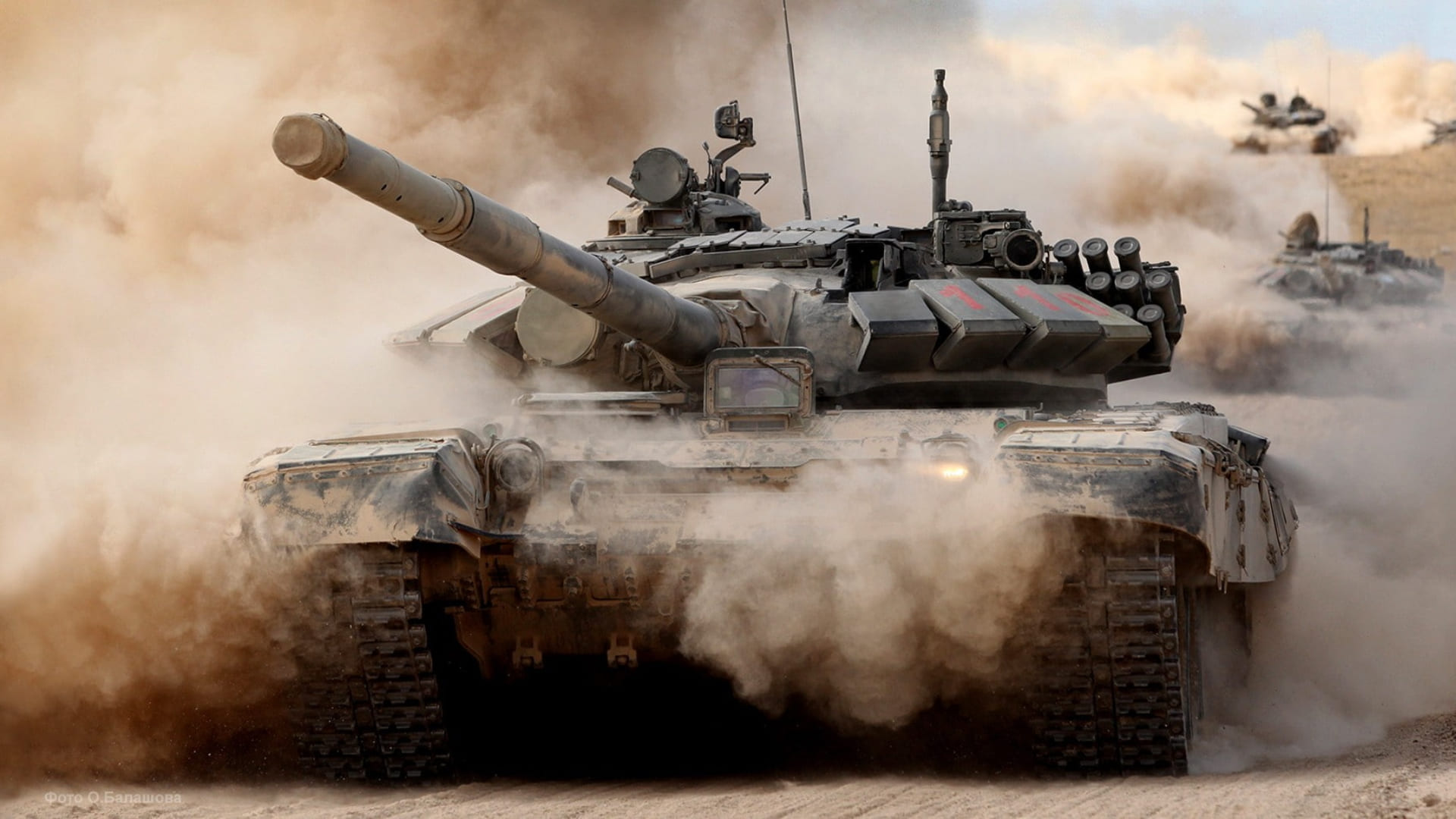
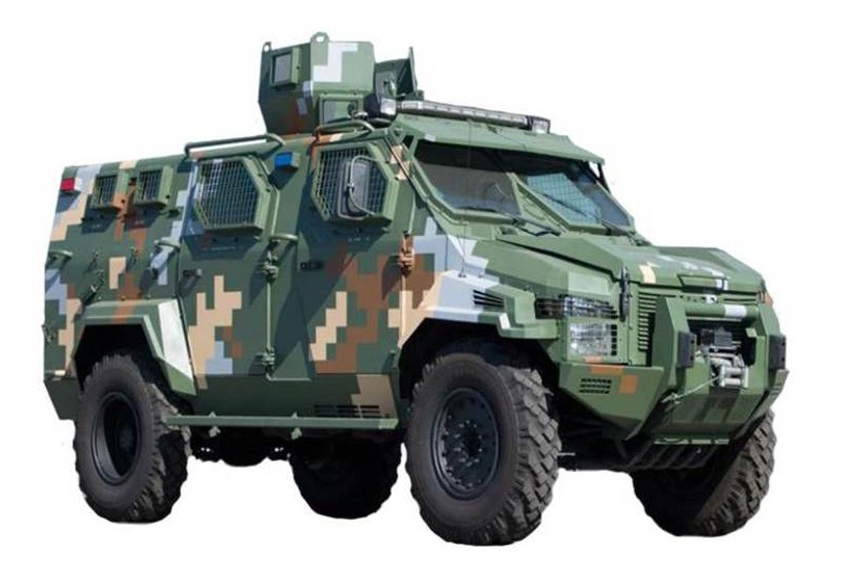
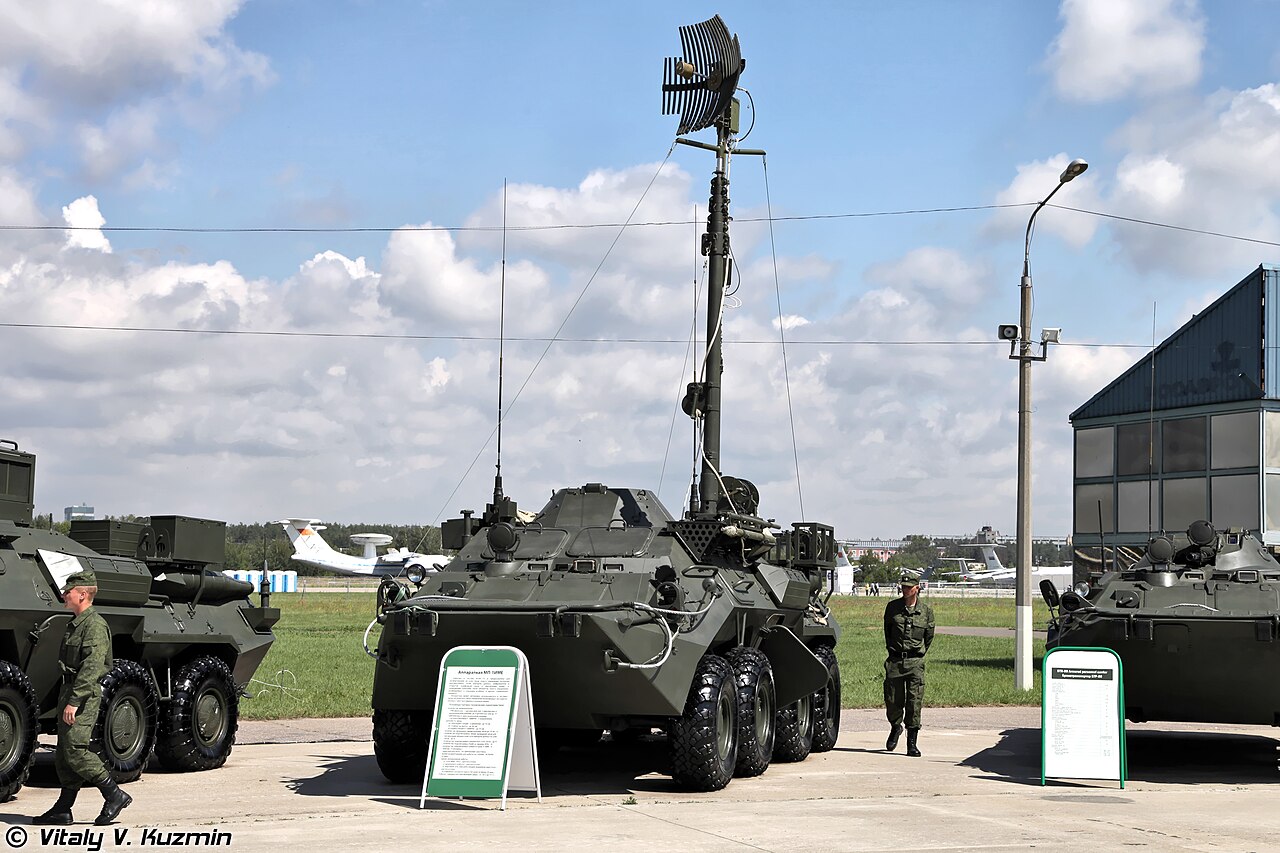
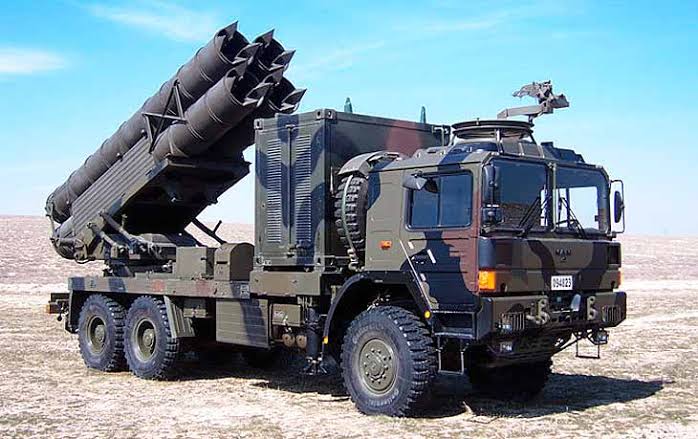
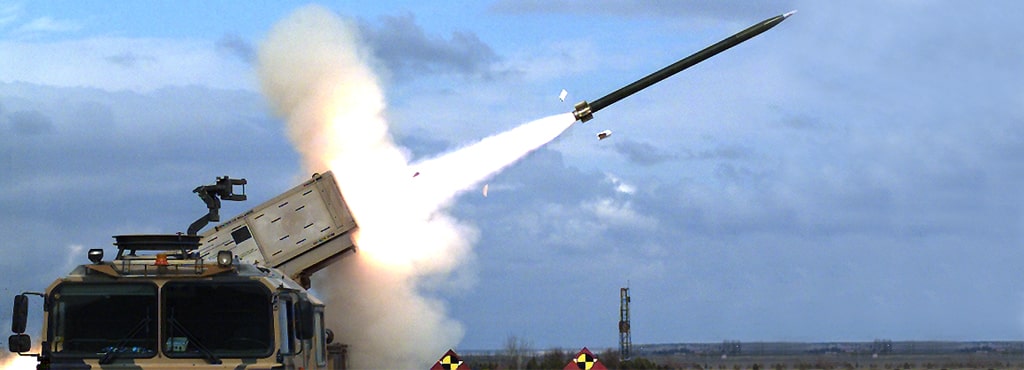
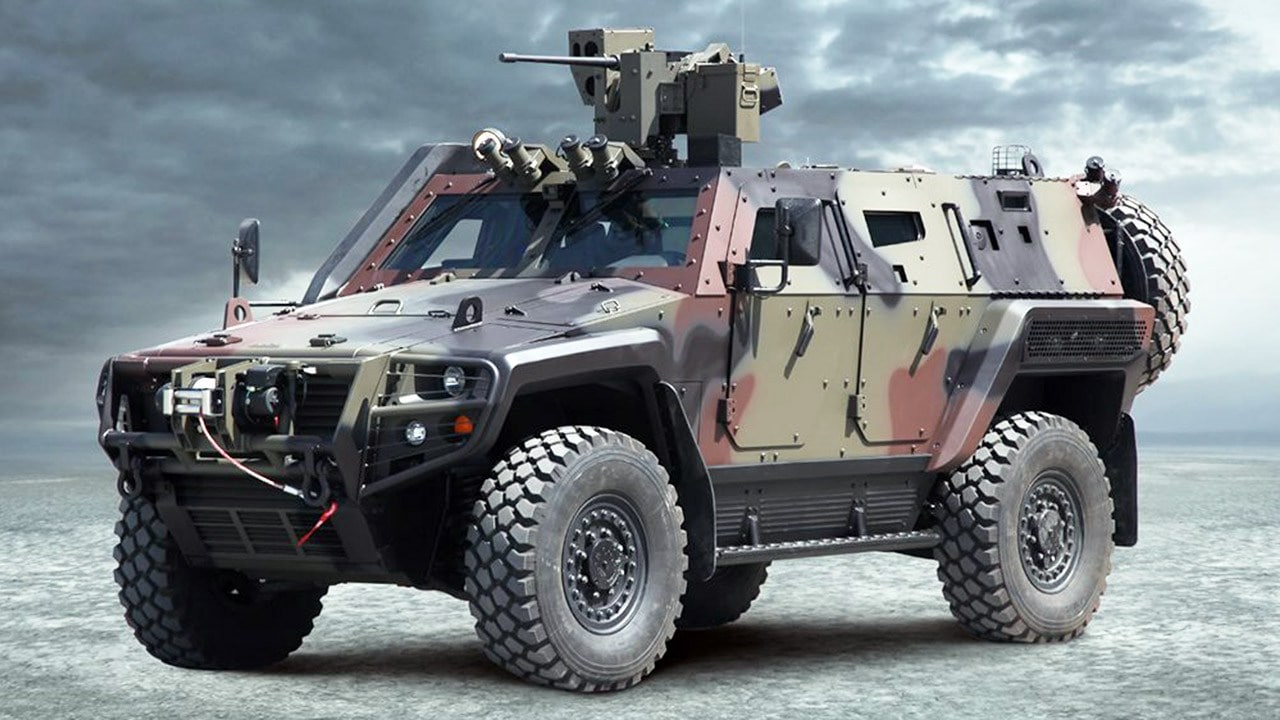
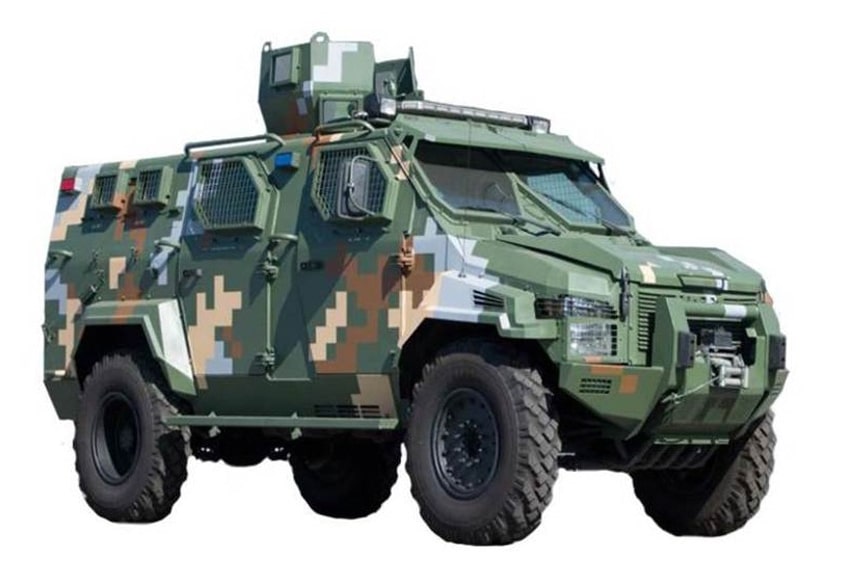
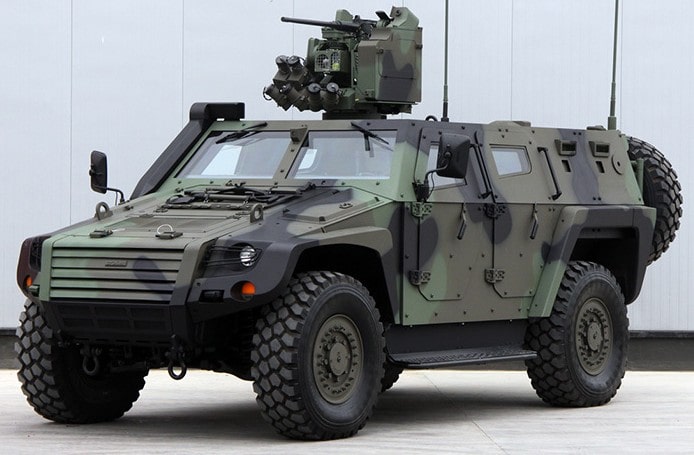
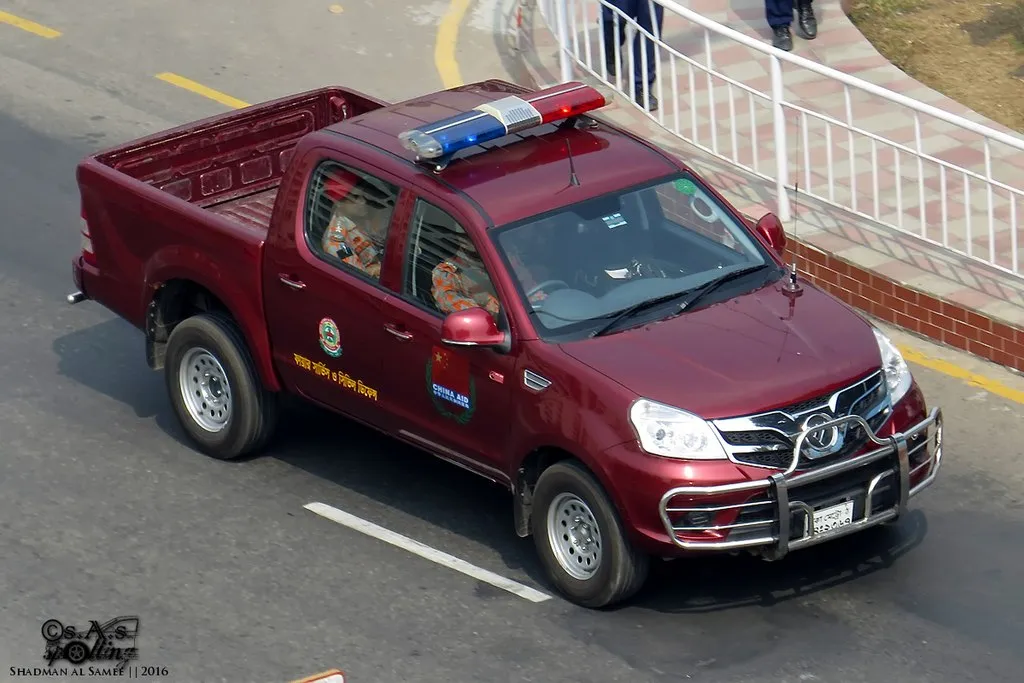
- Military Vehicles & Hardware
- Armaments & Explosives
- Navigational & Marine Equipment
- Navigation & Integrated Shipboard Solution
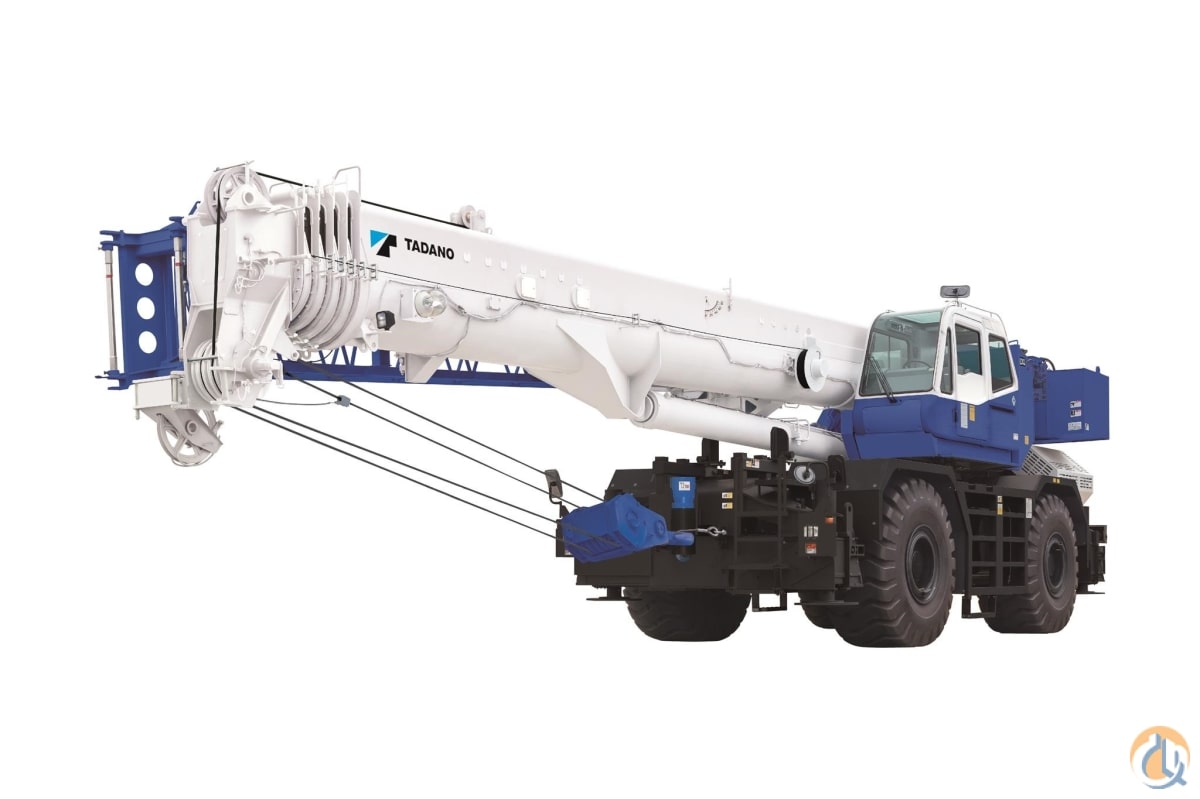
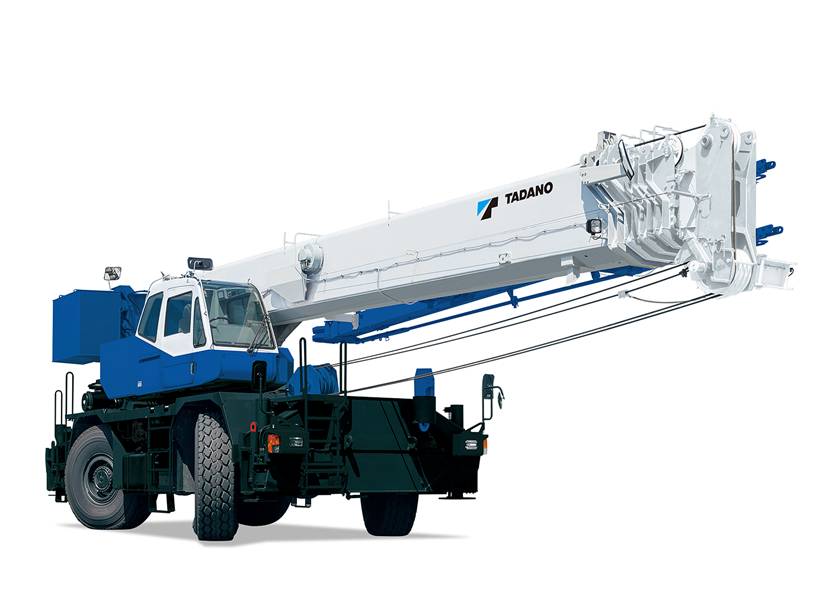
- Marine, offshore & Port Crane, Marine Engine with parts & accessories
- RIBS, Boats, Vessel, Watercraft
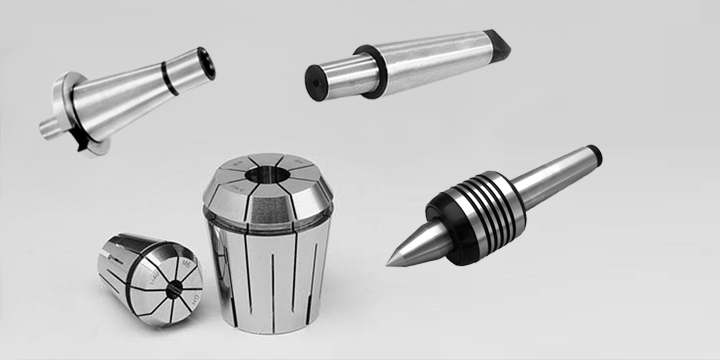
- Conventional Machinery with accessories, spares, & after sales service
- Accessories, spare parts, overhaul, repairing of Aircraft & Helicopter
Values
Values
(i) People Are Our Greatest Concern
As a professional indenting & supplier company, our talented employees are the key to developing and sustaining relationships: they invest time with our clients, understand their businesses, retain that accumulated client knowledge and pass it forward, and ultimately, our people deliver the work that adds value to our clients' businesses.
(ii) We Are Relationship Based
This is our client-focused value. It describes our objective to create and maintain ongoing business relationships with our clients & overseas partners. Benexim delivers superior and measurable value that exceeds what our clients / partners can find elsewhere. We serve as their advocates and support them in their global aspirations. In simplest terms, our "relationship" value establishes an expectation of service, trust, and business partnership.
(iii) Partnering with our clients to make the world better
Helping its clients succeed drives Benexim's business. To meet their challenges, we have to understand their industry and their objectives. Over the years, our partnerships have helped us develop a wide range of technical expertise to better serve a variety of clients in multiple industries.
Our Services
Our Services
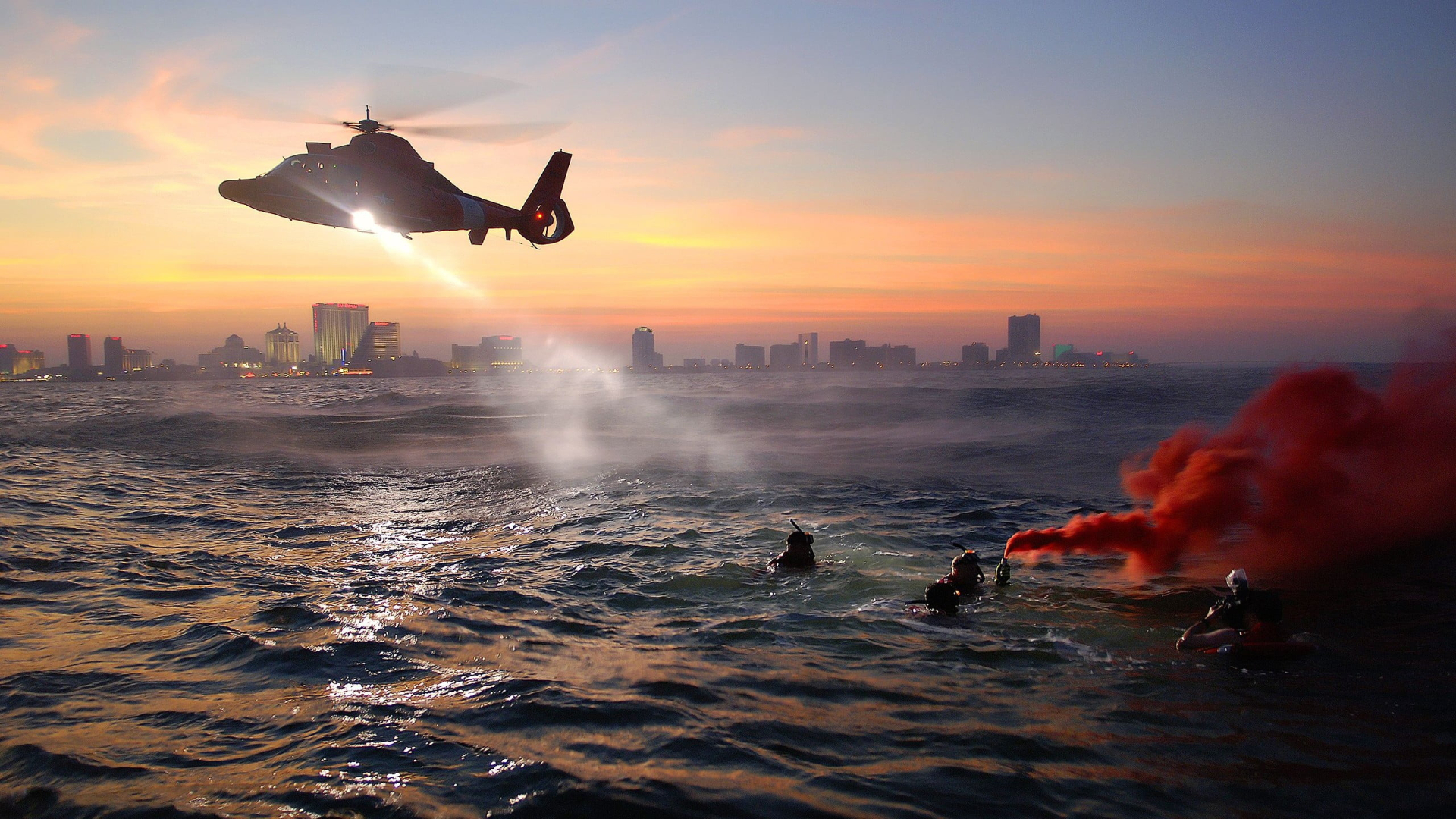
Our comprehensive services are –
International tender Bidding / participation on behalf of Principal / ManufacturerMarket research / intelligence/tender consultancy
Sub-contracting & vendor sourcing
After sales service with spare parts requirement
Transportation & logistics support
Training
Mission Support
Turn-key Project
Technology Solution
Our Key Strengths
Experiences
Practical and long experiences in defence business.
Global Organization
Our global organization of suppliers provides us with additional strengths that enable us to meet and exceed our clients’ goals and objectives.
Team
Diversified & Experienced Management Team with ex-defense high officials.
Professional
Professional working team & staffs, great marketing & sales team with extensive experience & relevant technical people to look after the defense market.
Contacts & Liaison
Contacts & liaison within the Defense Services and Government organizations.
Intimate Knowledge
Intimate knowledge into government and private enterprises through Board's extended.
Regional & International
Regional & international business relationships with collaboration of our Singapore / Overseas office.
Products Category
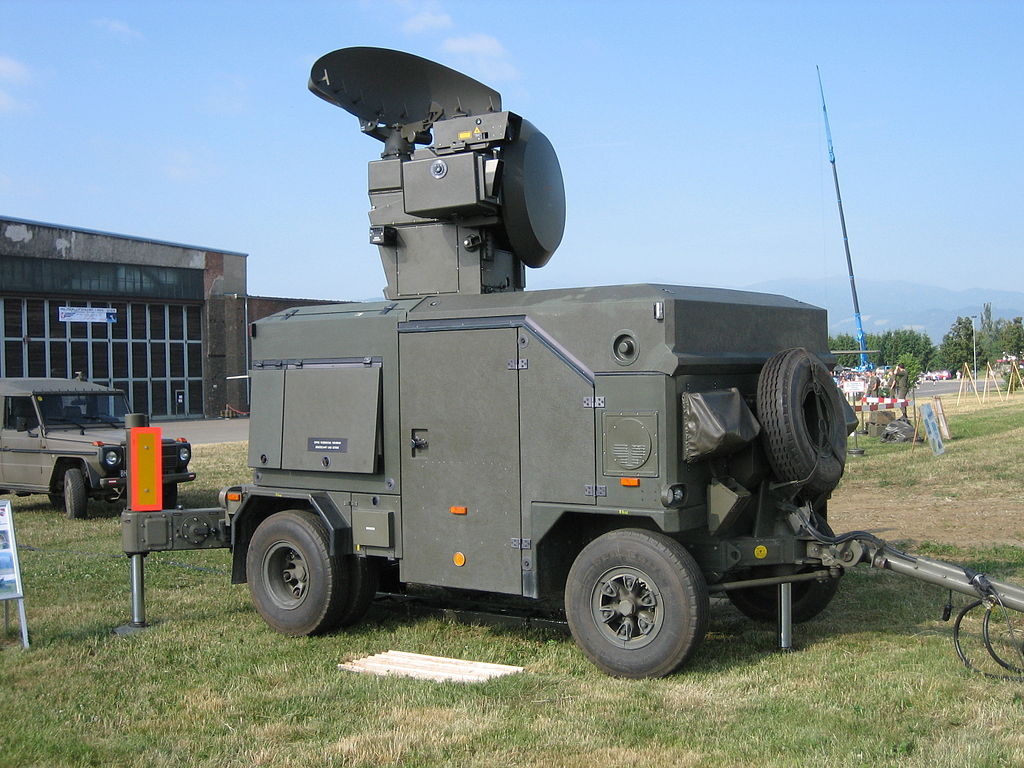
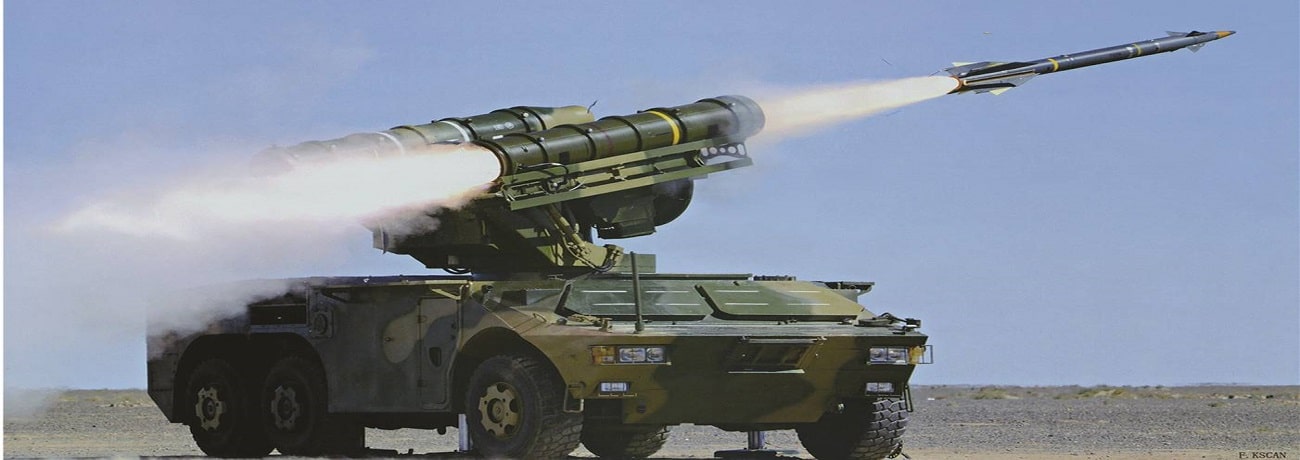
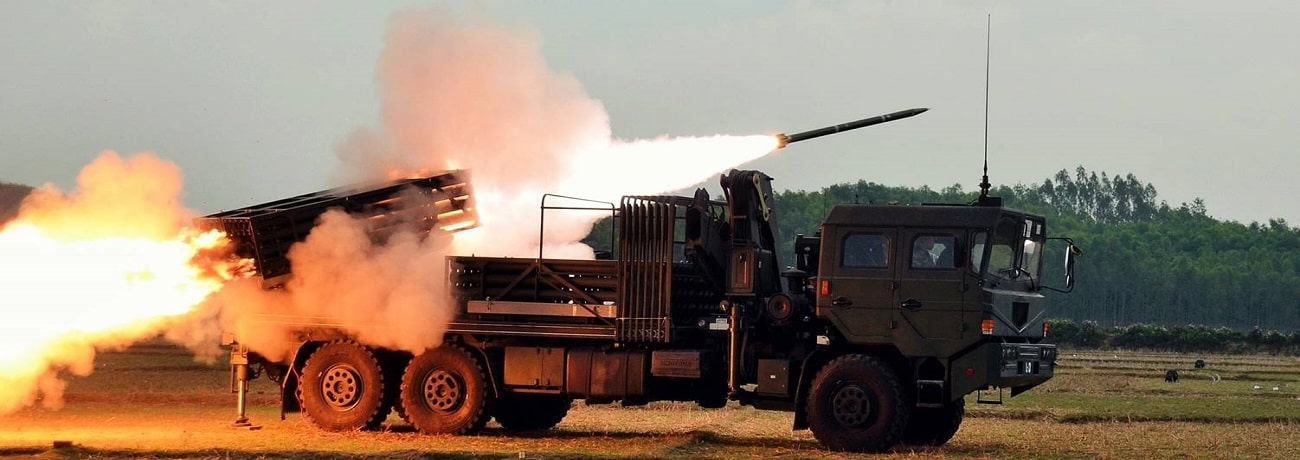
-min.jpg)
-min.jpg)
-min.jpg)
-min.jpg)





-min.jpg)